Monday, June 20, 2022

Japanese Crafts In Kyoto

Japanese Craft Stores in Kyoto 京都

Japanese crafts are often regarded as formal and for special occasions only. But this is not true. Just as many handicrafts are simple, inexpensive, and created for everyday life. And even simple, daily-life things are skillfully and patiently created by Kyoto craftsmen, who pride themselves on making beautiful things that last for a long, long time. Here are some arts and crafts from Kyoto's most famous stores.
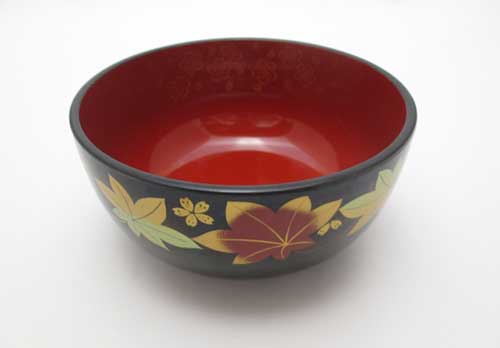
Lacquerware Soup Bowls.

Lacquerware Soup Bowls

New black or dark red lacquer tableware is expensive. But Kyoto's Uruwashi-ya offers you a great solution: used lacquerware. Used or antique lacquerware is very reasonable. However, you should inquire about how it will hold up in dry climates because lacquer is ideally suited to high humidity environments. On the south side of Marutamachi, east of Fuyacho. Open 11 am - 6 pm, closed on Tuesdays. Tel: 075 212 0043.

Brushes & Brooms

Need a handmade brush or broom to clean the house or your garden? Then you've come to the right place. Naito Shoten, an early 19th-century handmade brush and broom shop, has everything you could possibly hope for. Everything from large to small, including brushes for long glasses, pot cleaners, and mats (from ¥400). On the north side of Sanjo, just west of the Kamogawa River. Open daily 9.30 am -7 pm. Tel: 075 221 3018.
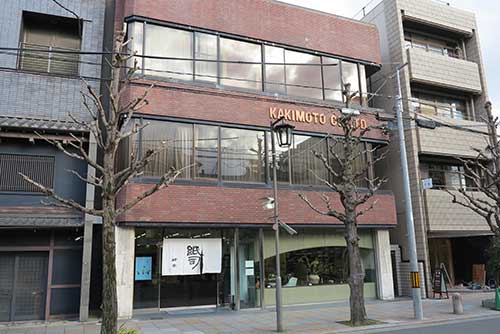
Kakimoto, Kyoto.

Japanese Washi Paper Table Decorations

Warm to the touch and naturally colored, Japanese handmade paper or washi can easily be adapted to serve as a table cloth, coasters, and for all kinds of other table decorations. And best of all: washi is so strong that it can be used over and over. For a great selection of washi, go to Kamijikakimoto, on the east side of Teramachi, about 100 meters north of Nijo. Tel: 075 211 3481. (www.kamiji-kakimoto.jp)
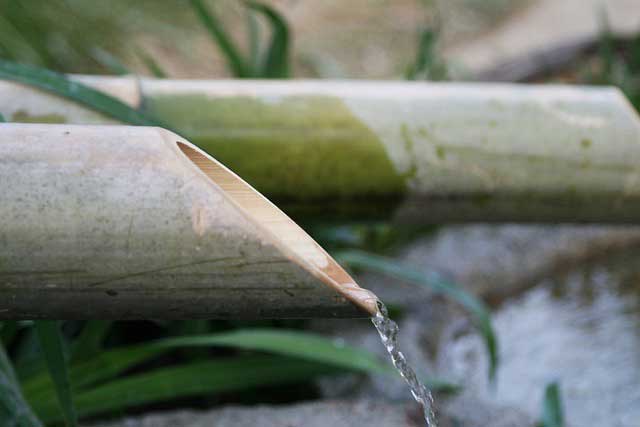
Japanese Crafts In Kyoto.

Japanese Bamboo Takehei 竹平

In operation for over 100 years, and now in its 4th generation, Takehei Shoten is known by many as Japan's bamboo specialist.

Within their vast warehouse, they stock about 100 different kinds of specialty bamboo, ranging from the standard to the very exotic. The age-old expertise that Takehei has built up over 100 years is sought out by bamboo artisans, architects, traditional musicians, designers, and antique dealers from all over the country.

Takehei also exports bamboo materials overseas (mainly to antique dealers, interior decorators, landscaping specialists, and architects). As the fastest growing plant in the world (1.2 meters in 12 hours), bamboo is a remarkable material that remains the preference for many of Japan's traditional designs and utensils.

Their curved window frames (for a Japanese home or tea ceremony room) are just one of Takehei's many unique products. (There are only a handful of artisans left in Japan that can make frames of this high quality and intricacy.)

Takehei is located on the west side of Omiya, north of Gojo. Open from 9 am to 6 pm, except on Sundays and public holidays.

Takehei
403 Omiya-gojo, Shimogyo-ku
Kyoto 600-8377
Tel: 075 841 3803
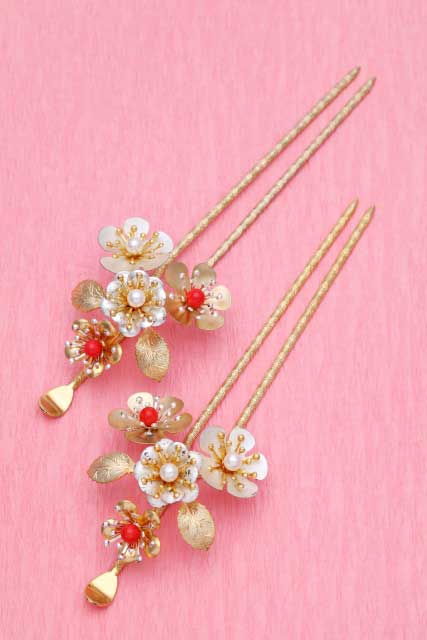
Kanzashi Hair Ornaments 幾岡屋.

Kanzashi Hair Ornaments 幾岡屋

Ikuokaya has been doing business in the world-famous Gion district for more than 150 years. They specialize in kanzashi hair ornaments, fans, bags, and accessories.

Stepping into the shop, one enters the world of accessories that add to the exotic charm of the geiko: splendid, colorful kanzashi (hairpins), exquisitely designed handkerchiefs, little richly patterned silk bags with drawstrings, sandalwood combs. Many of the patterns and designs express the seasonal elements for which Japan is so well known: flowers, bushes, and important symbols like the moon, pine trees, cranes, and rabbits.

Ikuokaya is located on the south side of Shijo, east of Hanamikoji. Open 11 am-7 pm (closed Thursdays). Tel: 075 561 8087. Gion-Shijo Station is the nearest station.

Ikuokaya
577-2 Gionmachi Minamigawa
Higashiyama-ku
Kyoto-shi
605-0074
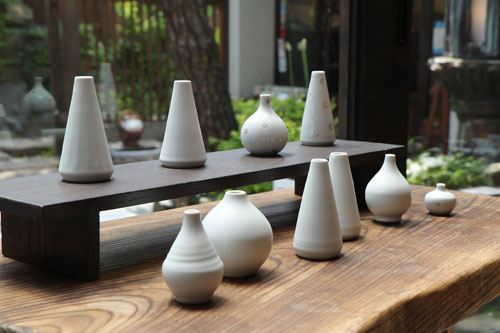
Asahi-do Ceramics, Kiyomizu, Kyoto.

Asahi-do Ceramics 朝日堂

Asahido is one of the most famous of Kyoto's Kiyomizu yaki pottery stores. It has been a landmark for generations of visitors to Kiyomizu Temple since its establishment in 1870.

From everyday tableware to one-of-a-kind tea ceremony bowls by well-known ceramic artists, Asahido has something for every taste and budget.

The relaxing atmosphere of the traditional Japanese interior offers a welcome break from sightseeing, and the colorful items are displayed under warm, soft lighting. It almost seems more like a ceramics museum than a store. There is also a tea room and gallery space, which exhibits selected ceramic art.

Asahido's exquisite merchandise has won it an international clientele, and it has also been privileged to supply items to the Japanese Imperial Household. However, the wide range of items is sure to provide anyone with many excellent and affordable souvenir ideas. Asahido goods can also be bought at other places around Kyoto: in the Kyoto Tokyu Hotel, the Kyoto ANA Hotel, and Arashiyama Syoryuen in Arashiyama.

Also try Asahido Toan, located just a few shops down the street from the main Asahido store for a range of Japanese crafts.

Asahido Toan offers a range of authentic Japanese traditional crafts, including woodblock prints, bamboo items, incense, as well as Kiyomizu yaki pottery. Open daily from 9 am to 6 pm. Packing and delivery service available. Located on Kiyomizuzaka, in front of Kiyomizu Temple. All major credit cards are accepted.

Asahido
1-280, Kiyomizu
Higashiyama-ku
Kyoto 605-0862
Tel: 075 531 2181

Access: Take the Kyoto city bus #206 from Kyoto Station to Gojozaka bus stop, then a 10-minute walk.
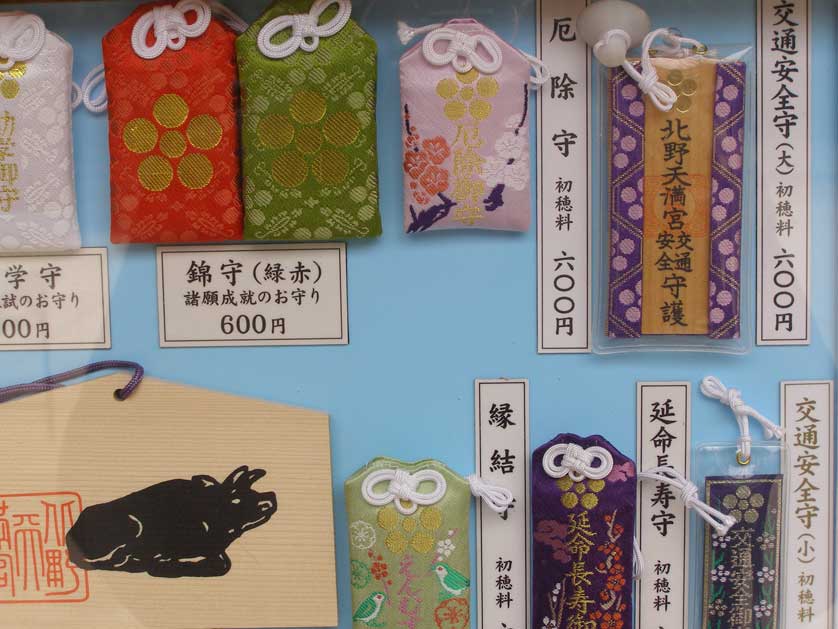
Kita no Tenmangu.

Kyoto Fleamarkets

Japan is well known for its temple and shrine flea markets, and Kyoto boasts two that draw crowds from around the country: one at Toji Temple, in south Kyoto, and the other Kita no Tenmangu, in northern Kyoto. The market at Toji is called Kobo-san by locals, which refers to the monk who founded the Kobo sect of Buddhism. It is held on the 21st of every month, on the grounds of Toji. Shoppers in the know arrive very early and bargain hard. Four days later, on the 25th, "Tenjin-san" is held at Kita no Tenmangu Shrine.

Though they are both pilgrimages and take place on religious grounds, the overall feel at both is that of a lively outdoor market. At both, antiques, clothing, statues, fabric, kimono, and fresh vegetables are for sale at booths set up early in the morning by vendors who often come long distances to sell their wares. Ceramics such as tea bowls and pots are also widely available. Pictured above left are good luck charms--mainly for driving and luck on university exams--that are sold at Kita no Tenmangu.

Tenjin-san is west of Nishijin, Kyoto's traditional weaving district also has geisha dance performances on occasion.

The markets date back many centuries, and in addition to food and clothes, and antiques they also feature games for children. There is, for example, the goldfish scoop: with a flimsy net children attempt to scoop up goldfish, which if successful they can take home. There are other cards and shooting games that will be familiar to anyone who has been to an American carnival. The vendors at the games are usually young and in many cases borderline yakuza. Count your change.

Crowds are worst when the weather is good, after 10 am, and at year's end. The smart shoppers will arrive by 6 am to pick through the best goods.

Directions

Toji Temple

Take the Kintetsu Railway local train one stop from Kyoto Station to Toji Station. Walk two blocks west. (Tel: 075 691 3325)

Kita no Tenmangu Shrine

Take the 59 bus from Shijo or Sanjo in downtown Kyoto.

OR

Take the Keifuku Railways train to Kita no Hakubaicho, and walk two blocks along Imadegawa Dori. (Tel: 075 461 0005)

Chionji Temple

Chionji flea market is on a much smaller scale than Toji and Kita no Tenmangu, specializing in hand-made crafts. Chionji market is held on the 15th of each month, and it is often easy to get a space on the morning of the market. The market is on the grounds of Chionji Temple on the northeast corner of Hyakumanben near Kyoto University.

Buses #17, #201, #206. (Tel: 075 781 9171/075 961 0005 to register)
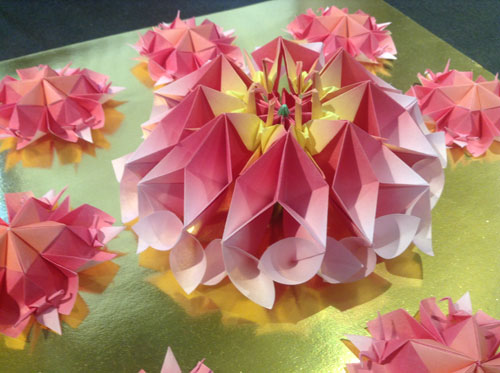
Washi paper art.

Kurotani Washi 黒谷和紙

Kurotani is well-known for its wagami ('rice' paper) production. Appreciation for this lifetime-absorbing craft has led to the paper art of Kurotani being designated an Important Cultural Property of Kyoto.

The history of Kurotani village traces back eight centuries to a warrior of the Taira Clan who, having failed at battle, saw it as his duty to leave an art form for following generations. A communal determination to stay with the traditional techniques employed from the start have led to paper of consistent quality, and to world-wide fame.

Wagami, or washi, is made from the Paper Mulberry tree of the Mulberry Bush family, characterized by its durable, fibrous quality. The delicate beauty of each sheet is apparent, and kept in good condition this kind of paper lasts literally a millenium or more - a stunning technical achievement for the craftspeople of the Heian era.

In the centre of Kurotani the Wagami Exhibition Hall provides paper information (mainly in Japanese). It also offers also a tour of neighborhood homes and workshops, where the paper making process can be viewed. Visitors have the opportunity to produce paper themselves and to purchase products made from washi such as wallets, name card holders, greetings cards, notebooks and zabuton cushions.

Kurotani Washi Kaikan
3 Higashidani, Kurotani-cho
Ayabe City
Kyoto 623-0108
Tel: 0773 44 0213
www: kurotaniwashi.jp

Monday-Friday 9 am-4.30 pm closed weekends and national holidays.

Take the JR Sanin Main Line from Kyoto Station to Ayabe Station (70 minutes by limited express) and exit the station from the south exit. The Kurotani Washi Kaikan is a two minute walk from the Kurotani Washi Kaikan Mae stop on the Aya Bus Kurotani Line.

Kiyomizu Pottery.

Kiyomizu Pottery Complex 清水焼

Elegant shape, graceful design, and pure, intense colors - these are the qualities that have drawn generation after generation to Kyoto's Kiyomizu yaki ceramic ware.

Born in the area around Kiyomizu-dera Temple - which sits nestled in the Higashiyama hills on the eastern side of Kyoto, Kiyomizu yaki has had a marked impact on the culture of Kyoto and Japan, and is admired and collected around the world.

Kiyomizu yaki traces its origins to the 5th century, and has evolved and changed over many centuries. Colors were introduced in the Muromachi Period (1338-1573), and were followed some years later by over glazing techniques to give an added luster to items after firing. In the late Edo Period, a momentous change took place: the potters of Kiyomizu shifted from earthenware to Chinese-style porcelain.

Modern Kiyomizu yaki is a product of all these innovations, and is characterized by penetrating blue, yellow, and green colors and by intricate and refined designs. It is also famous for its unmatched durability.

Only a few traditional wood-fired noborigama kilns remain around Kiyomizu-dera Temple. Indeed, the area is no longer the center of Kiyomizu yaki production, although there are still many fine shops in the winding streets that lead to the temple.

Some 20 years ago, most of the potters and kilns moved into Yamashina on the other side of the Higashiyama hills on the Tozai subway line. The new Kiyomizu Pottery Complex not only gave the potters spacious new workshops, but also allowed the introduction of more efficient gas-fired furnaces to replace the traditional wood burning kilns.

Today, the Kiyomizu Pottery Complex houses twenty ceramic artists, nineteen handicraft pottery companies, and a range of other ceramics related companies. Thanks to the centralized supply of electricity and natural gas for firing the kilns, the artisans are free to concentrate on the artistic aspects of their work, and can offer a stable supply of high-quality items.

The works produced at the Kiyomizu Pottery Complex are in the vanguard of modern Japanese ceramics. Altogether, the artisans turn out yearly some 5-6 billion yen worth of tea ceremony bowls, vases, tea cups, and many other items, and hundreds of thousands of tourists visit the complex every year.

The 35 years since the complex was opened have seen a wave of renewed interest in traditional arts and crafts in Japan, and especially in Kiyomizu yaki. The Kiyomizu Pottery Complex has played a major role in this revival, and serves as a reminder in our technology-driven world of the beauty that can only come from hand-crafted objects.

Kyo-yaki (Kyoto ceramics) and Kiyomizu-yaki have been formally designated as a traditional handicraft by the Ministry of International Trade and Industry.

Kiyomizu Pottery Complex (京焼・清水焼工芸館)
Kawatakiyo Mizuyakidanchi-cho
Yamashina-ku
Kyoto 607-8322
Tel: 075 581 6188

Access: Keihan Bus #29 or #29A from Yamashina Station (20 minutes). Alternatively take a Keihan Bus #88B from Shijo Kawaramachi Station (20 minutes) or from the Kiyomizu Gojo bus stop (10 minutes).

Goods From Japan delivered to your home or business

Friday, June 17, 2022

Japanese Kokeshi Dolls Book Review

Book Review: Japanese Kokeshi Dolls: The Woodcraft and Culture of Japan's Iconic Wooden Dolls

ISBN: 978-4-8053-1554-5
By Manami Okazaki
Tuttle Publishing, 2021
168 pp, hardback

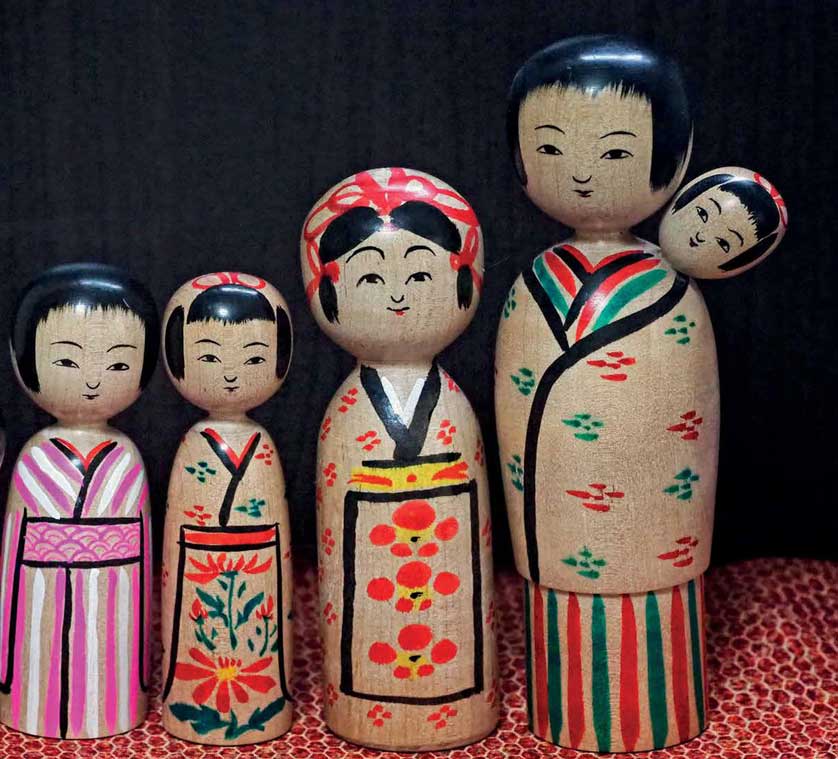
Book Review: Japanese Kokeshi Dolls: The Woodcraft and Culture of Japan's Iconic Wooden Dolls.
Japanese Kokeshi Dolls: The Woodcraft and Culture of Japan's Iconic Wooden Dolls

Covering every aspect of kokeshi dolls that you can imagine, and probably some that you can't, Manami Okazaki's book is as educational as it is beautiful.

Kokeshi have exploded from their origins in hot springs towns in the Tohoku (Northeast) region of Japan sometime in the 1800s.  You can now get kokeshi that are cat-themed, ninja-themed, ice cream-themed, Astro Boy-themed, hat-themed, mushroom-themed,  and 1960s psychedelic-themed. That's just for starters. Have you ever wanted a doll with mompe pants? These days, that's no problem.

There are perhaps 300 full-color pictures of kokeshi that are new and old, big and small, cute and scary, and traditional and, er, less than traditional. There are also pictures of some of the famous artisans who make them. Most of the pictures of kokeshi are of very high quality and will pique the interest of the reader.

The book opens with a short explanation of what exactly kokeshi are, what kinds of wood they are made from, a brief history of the dolls, and a description of the craft of making the dolls. Next up is a section on the 12 recognized traditional styles of kokeshi, followed by a section on what are called modern kokeshi.

Traditional kokeshi, which are still almost exclusively made in the Tohoku region, adhere to historic models, while contemporary kokeshi "have no formal rules, and are completely free from the constraints of tradition."

The contemporary kokeshi can be incredibly ornate and thought-provoking. Readers may especially be attracted to the works of Sendai's Noboru Wagatsuma. Admittedly, his work can be a bit out there, with Roswell alien and cheeseburger kokeshi among his more interesting efforts.

Example page from the book.
Example page from the book © Tuttle Publishing

The book also covers other interesting artisans and their histories. These pages often include websites, email addresses and even phone numbers to call if you are a serious buyer.

The last 25 pages are two-to-four-page sections on traveling to the prefectures - pretty much all in Tohoku - where most kokeshi makers can still be found, and also where you can go to buy kokeshi if you are in Tokyo, Australia, Europe, the Middle East or America.

Japanophiles who know the traditional Shinto belief that dolls have souls may be aware of the annual doll blessing and burning ceremony in Tokyo. You can't just throw away dolls, they must be blessed and then burned by a priest in an atmospheric ritual. This is also true of kokeshi, and their ceremony is held annually at a shrine in Miyagi Prefecture.

The quality of the pictures and content of this square-shaped book are easily good enough to display on your coffee table. The book may also nudge you into purchasing a kokeshi or two, even if you hadn't planned on it.

Review by Marshall Hughes

Buy this book from Amazon USA | UK | Japan

Examples of contemporary kokeshi dolls.
Contemporary kokeshi dolls © Tuttle Publishing

More on Kokeshi

GoodsFromJapan stocks a wide range of kokeshi dolls.

Purchase a kokeshi doll direct from Japan for your home or business.

More Japan Book Reviews

Japanese Dolls: The Fascinating World of Ningyo

Onomatope

Wednesday, June 15, 2022

Calpis Soft Drink - Japan's Health Drink

Calpis カルピス

by Johannes Schonherr

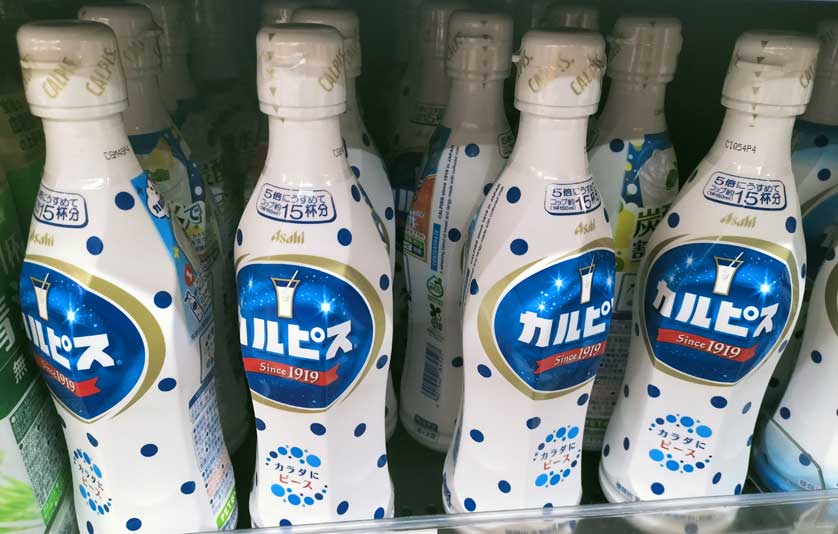
Calpis bottles in a Japanese supermarket.
Calpis bottles in a Japanese supermarket

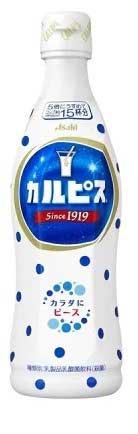
Calpis is a classic Japanese soft drink sold as a concentrate and based on fermented milk, first introduced in 1919. It has a slightly acidic flavor, similar to plain yoghurt.

Though Calpis is often just mixed with water or milk for quick consumption, the variety of its uses is endless. It can be mixed with any kind of fruit syrup or fruit juice, it can enhance the taste of ice cream or served as part of a cocktail.

Some people consider Calpis to be a refreshing summer drink, others drink it throughout the whole year, some appreciate its healthy properties, others just enjoy the taste. In any case, Calpis is one of Japan's most popular soft drinks.

Searching for the original Calpis concentrate in a Japanese supermarket can be a bit confusing at first. In the chilled drink section you always find a variety of ready-to-drink Calpis sodas. Looking for the concentrate, you have to go to the non-chilled section which is usually not that far away but definitely on a different set of shelves.

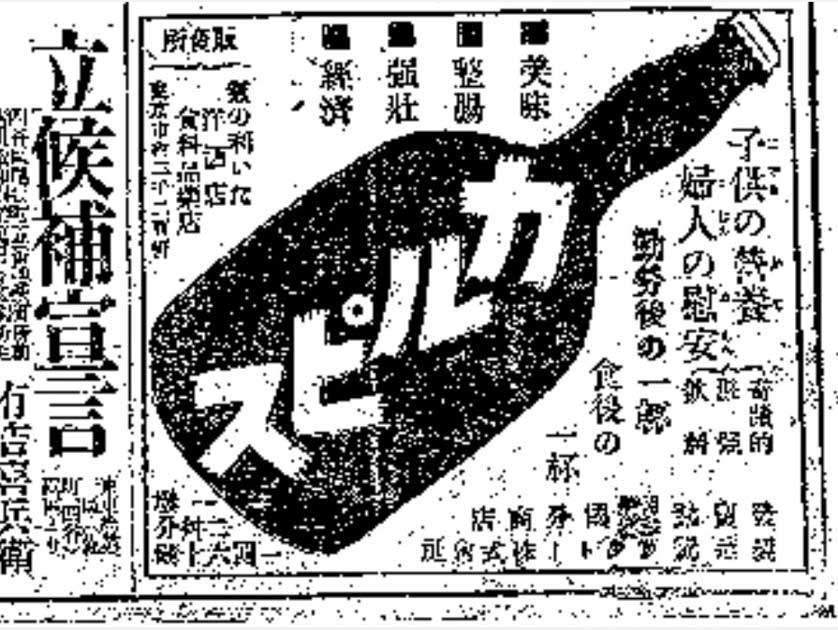
Calpis advertisement in the Yomiuri Shimbun, March 1920.
Calpis advertisement in the Yomiuri Shimbun, March 1920

History of the Drink

The history of the drink started in the year 1904 when Japanese businessman Kaiun Mishima (1878-1974) travelled to Inner Mongolia. He encountered there a drink named airag (in other parts of central Asia known as kumis) made from mare milk fermented with lactobacilli.

Weakened from the exhausting travel, he recovered very quickly after consuming the drink a few times. He also liked the drink's acidic flavor and he concluded, rightly, that airag played a great part in enabling the people of Inner Mongolia to stay healthy in the harsh climate of the region.

Mishima returned to Japan with the mission to create a similar drink, a drink that "can contribute to people's lives", as he said.

Since in Japan mare milk was hard to come by, he focused on cow's milk. After studying lactobacilli and the related fermentation processes for more than a decade, Mishima's newly established company introduced Calpis to Japan for the first time on July 7 1919.

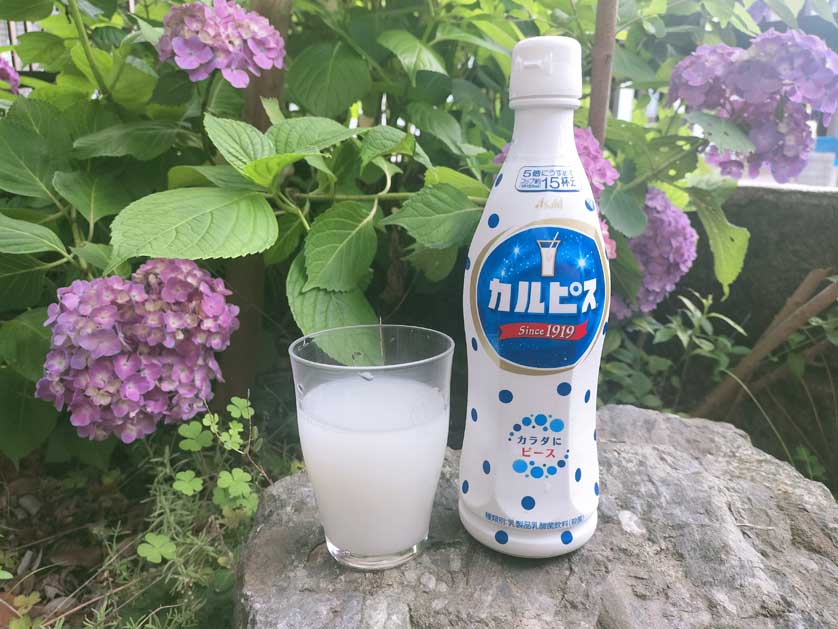
Calpis ready to drink.
Calpis ready to drink

Calpis Bottle Design

July 7 is in Japan the much celebrated day of Tanabata, also known as the Star Festival. Two lovers in heaven, punished by the gods and thus separated by the Milky Way, are allowed to meet only that one night in the year.

The original bottle design of Calpis already featured the stars of the Milky Way in the form of multiple dots on a black background. Today, the bottles are white but still show lots of polka dots. The connection of Calpis to Tanabata stays on.

Popularity of Calpis

The drink was an instant success after its inauguration. As a concentrate, it didn't require refrigeration and thus could easily be stored even during the hot summer days. Consumers quickly got inventive and came up with all sorts of recipes on how to use the drink.

Mishima saw his company blooming until he died at age 96 in 1974. Perhaps his frequent consumption of Calpis had an impact on his lifespan?

In the 1980s, ready-to-drink chilled Calpis soft drinks started to appear on Japanese supermarket shelves in plastic bottles. Much research had gone into them to appeal to the tastes of as many as people as possible.

Still, that development came as a big surprise to many. "We always had our private family recipe on how to make the best Calpis drink," many wondered, "Now, the mix in the plastic bottles is how Calpis is supposed to taste like?"

Some thought that the ready-to-drink sodas were superior, other stayed on with their family traditions.

In 2012, brewery giant Asahi Group Holdings acquired Calpis.

Variety of Calpis Products

Today, the original Calpis concentrate is still available in every Japanese supermarket while the variety of the chilled Calpis sodas is almost endless. By now, Calpis candies and other sweets are also available.

An inscription on the top of the standard 470ml bottle of Calpis concentrate states that using one fifth of Calpis for a 150ml glass, you get 15 drinks out of one bottle of Calpis. It doesn't say what to mix the drink with but one might assume that it means either water (carbonated or not), milk or soya milk. Some people might argue and say that they get either much more or much less out of a bottle. It's all a matter of personal preferences.

The inscription below the logo translates to Peace to the Body, meaning that the drink is both relaxing and healthy. A remark reflecting Kaiun Mishima's original intentions.

Buy Calpis from GoodsFromJapan.
Buy Calpis from GoodsFromJapan

Purchase Calpis & A Range of Other Drinks From Japan

Purchase a range of Japanese health drinks from GoodsFromJapan.

Japan SIM Cards From Mobal

Get a Japan SIM Card from Mobal

Japan Related

Ema Votive Plaques

Furikake Tsukudani Rice Topping Kinshobai

Hoshigaki

Ishigaki Sea Salt

Jinbei & Samue

Japanese Mortar & Pestle Suribachi & Surikogi

Kabosu Juice

Kaki no Tane

Masu Wooden Sake Boxes

Ramune - Japan's Summer Lemonade

Sayama Green Tea

Shichimi Togarashi

Yanai Goldfish Lanterns

Yatsuhiro & Tatami

Yuzu Kosho Spice from Kyushu

© GoodsFromJapan.com

Monday, May 30, 2022

常滑はトイレの町だった-Tokoname Aichi Prefecture

Old Toilets in Japan, Tokoname, Aichi Prefecture

84歳の私の母は大の緑茶好き。とりわけ急須にはこだわりがあり、常滑焼の急須を母の日に何度もプレゼントした。あの赤銅色のつるっとした肌合いの陶器で入れたお茶は、まろやかで香りよく、格別なんだそうだ。

常滑焼の急須、赤土で作られている.
常滑焼の急須、赤土で作られている

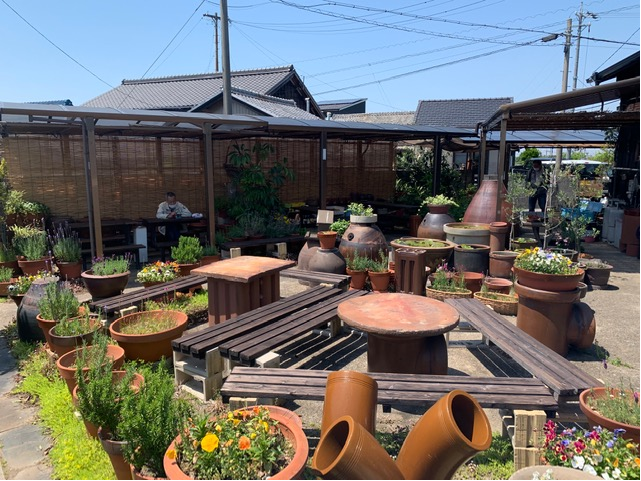
ということで、陶磁器で有名な常滑に行ってきました。駅を出て左に行くと、まず緩い坂道がある。有名な「とこなめ招き猫通り」。道沿いには39体もの様々な招き猫が並ぶ。

焼き物通りウォークはここからスタートして、つづら折りの狭い道を両脇に並ぶ焼き物屋さんや土管を敷いた庭などを眺めながら歩く。GWの真っただ中、快晴に恵まれたその日は家族連れも多く、にぎわっていた。お年寄りには格好のウオーキングコース、子供たちもあまりマスクを気にせず嬌声を上げている。

焼き物散歩道、土管を捨てずに再利用.
焼き物散歩道、土管を捨てずに再利用

Recycled clay pipes in the garden.
Recycled clay pipes in the garden

歩き疲れたので休憩をして、高台から町を眼下に望む。レンガ色の煙突が澄んだ青空にニョキニョキと立っていて、「ああ、ここは古くからの焼き物の町なんだなあ」と実感。その先には青い海が広がり、窯炉で焼きあがった陶器はあそこから船で出荷されていたのだろうと思いをはせる。

煙突が立ち並ぶ常滑の町.
煙突が立ち並ぶ常滑の町

焼き物散歩道を一巡りしたので、次は南へ足を伸ばして、INAXライブミュージアムへ。歩くこと約20分。結構疲れましたが、訪れる価値ありの場所でした!

ここで見学できるのは、まずタイルの歴史そしてトイレの歴史。世界のタイル博物館(1F)では常設展として「装飾する魂」が開かれている。タイルというのは木造家屋の多い日本ではあまり馴染みのあるものではない。生活を彩るオブジェぐらいに私は思っていた。でもあれは立派に「絵」なんですね、人々の憧れや信仰を表している。

たとえば、世界最古のエジプトのタイルは美しいオーシャンブルーに彩られ、王の再生や復活を願ってピラミッドに張られた。

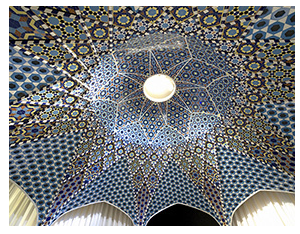
偶像崇拝がタブーのイスラムでは、人物や動物は描けない代わりに精密な幾何学模様を生み出した。

産業革命時代のイギリスでは富を得た中産階級がアールヌーボーの様式美を生活の中に取り入れた。そして日本人は?

銭湯のタイル壁に富士山を描いたのです!

ピラミッドに残る世界最古のタイル.
ピラミッドに残る世界最古のタイル

イスラームのタイル張りドーム天井.
イスラームのタイル張りドーム天井

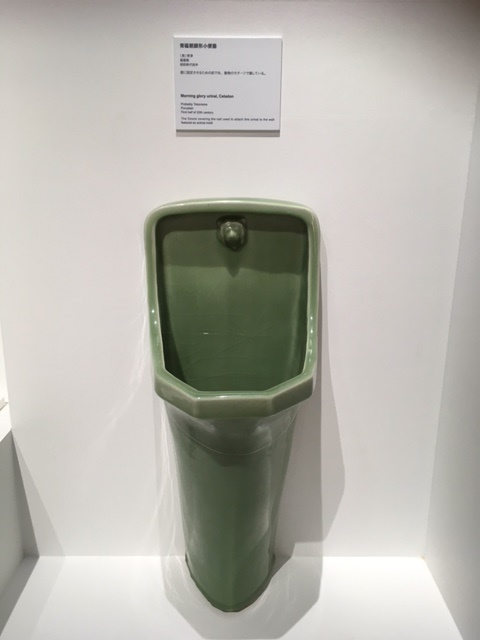
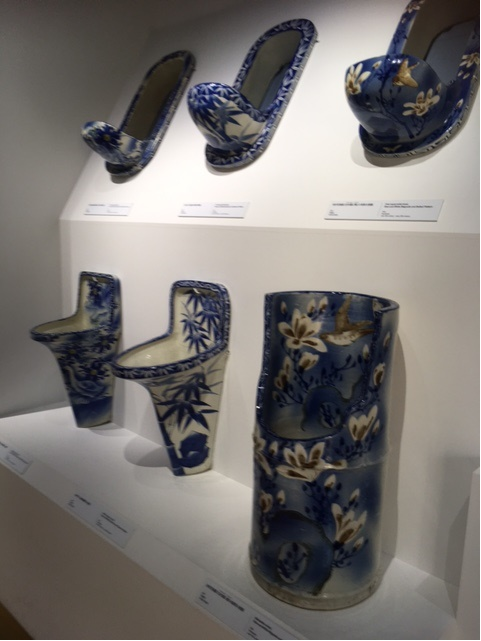
真骨頂は企画展示室(1F)で見られる古便器コレクション「デザイン性豊かな昔の便器」。そうです、INAXといえばTOTOと並ぶ日本の2大トイレメーカー。

青磁の古便器.
青磁の古便器

暗い空間を華やかに彩った昔の小便器.
暗い空間を華やかに彩った昔の小便器

人目をはばかる空間で昔は「ご不浄」とも呼ばれた日本のトイレ。江戸時代末から明治にかけて、便器はそれまでの木製から、衛生的で耐久性のある陶磁器製に変わっていった。染付で華麗に絵付けされたものや、青や緑の釉薬が縦に横に流し掛けられたものなど、焼き物として装飾が施された便器は、暗いトイレを華やかに彩る意匠だったようだ。

実は、うちの隠居にもそんな古いトイレがあった。懐かしいなー。あれは昭和40年代、祖父母の部屋の隣に青磁のアサガオ(小便器)が佇んでいた。孫の私は少し気味悪く思いながらも、その横を通り障子の部屋を開けたものだ。

INAXライブミュージアムには、非水洗式の大小便器、尿瓶やおまる、厠下駄など、陶磁器製のトイレコレクションが600点近くある。ぜひ一度のぞいてみて。

招き猫のご購入はこちらからGoods From Japan

Buy Japanese Gifts From Aichi Prefecture

Monday, May 23, 2022

Sayama Japanese Green Tea

Hand-Picked Sayama Tea 手摘み狭山茶

by Johannes Schonherr

Hand Picked Sayama Tea 手摘み狭山茶.
Shincha advertising at a Sayama Tea store in Tokorozawa, Saitama

In the Sayama tea area northwest of Tokyo, the harvest of the Shincha (新茶), the first tea leaves of the year, takes place in late April / early May. Among tea lovers, this is a highly anticipated harvest since those first leaves are especially tasty and aromatic.

Sayama Shincha is a Sencha tea, which means it is a tea sold in the form of processed, steamed leaves - unlike Matcha which is sold as a powder. About three-quarters of all Japanese green teas are Sencha teas.

Yamaka-en Sayama Tea field, Tokorozawa.
Yamaka-en Sayama Tea field, Tokorozawa

Japanese Teas

The premium quality is picked by hand by a group of experienced harvest helpers who can decide within fractions of a second which leaves to take, steadily filling their baskets with the highest quality leaves.

Sayama is one of Japan's northern-most tea areas. Winters can be freezing. Tea plants need to be of varieties that can withstand such conditions. Yabukita, a plant originally from Shizuoka that proved to be able to adapt to the more northern climate, turned out to be the first choice for the hand-picked Sayama Shincha.

To withstand the cold of winter, the Sayama tea plants grow thicker leaves resulting in a profound flavor and a rich taste.

An old local minyo folk song, often sung during the harvest in old times, takes the comparisons to the other traditional Japanese tea growing areas lightly: the tea from Uji (near Kyoto), it says, is all about the scent, the tea from Shizuoka is all about the color but Sayama Tea is all about the taste.

Kyoto-Uji is certainly Japan's most famous tea area while Shizuoka produces the bulk of Japanese Green Tea. Sayama, producing tea since the times of the Kamakura Shogunate in the 1300s is up among them as one of the top three traditional Japanese tea production areas.

Yamaka-en Sayama Tea field ready for hand picking, Tokorozawa.
Yamaka-en Sayama Tea field ready for hand picking, Tokorozawa

The Harvest

To get a real feel of the tea, there is nothing better than actually joining the harvest. Take a Seibu Shinjuku Line train to Tokorozawa or Iruma City, walk around the tea fields in April and inquire at the adjoining farms if they need a harvest helper. In most cases, the answer will most likely be a happy "yes."

Yamaka-en tea harvest by hand, Tokorozawa.
Yamaka-en tea harvest by hand, Tokorozawa

Yamaka Kasuya Tea Farm

At the Yamaka Kasuya family farm in Kita Iwaoka, Tokorozawa that is definitely the case. Their teas are known under the name Yamaka-en (Yamaka Garden).

Give them your phone number and you will receive a call back once the actual harvest days have been decided.
Arrive at the tea field in the morning. You might be a little surprised at the shape of the plants you are directed to. Those are not the neatly trimmed rows of tea plants you see so often in advertising. Those neatly trimmed rows are for machine harvesting. The hand-picking tea also grows in neat rows but the branches stretch out in a much more natural manner.

Wrapped-up shades hang over the tea field. Those have shielded the plants from intense sunlight during the growing period in spring, preventing the ultra-violet rays from damaging the taste of the nascent young leaves.

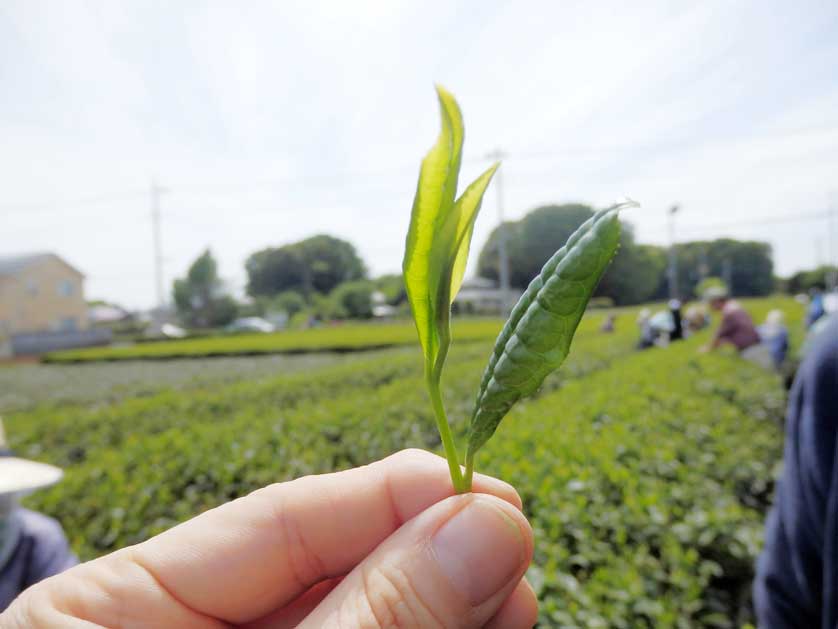
You receive a basket and are told which leaves to take - only the set of the freshest three leaves right on top. The classical set of tea leaves is often seen in print.

You work the bushes, clipping leaf set after leave set with your fingers. A typical group of harvesters consists of about 20 to 30 people. Many of them are elderly folks being part of other tea-growing families living nearby.

Unfortunately, they don't sing any minyo folk songs during work anymore. But there is constant chatter. The days of the harvest bring many folks together who don't see each other for the rest of the year. There is constant talk about whose children married whom, who had children, who died, and so on. For those folks, a tea harvest is a social event.

A perfect set of tea leaves.
A perfect set of tea leaves

Tea Tradition

Frequently, the town hall sends young employees to the harvest as well, to let them experience the importance of the tea tradition in their town.

Since the plants are about 160 cm high, it's all rather easy work. You don't have to be afraid of back pains. If you like to squat on the ground for a while and take the leaves from there, it's perfectly okay.

At the end of the working day, usually at 4 pm, you receive an envelope with your salary of the day in cash.

Don't expect to finance your next trip around the world that way. Rather invest the cash in some really good tea by going to the farm shop to buy some top-notch tea about a week later.

By then, the son of the house, running a small tea processing plant right on the premises, will have turned the tea leaves you harvested into high quality Shincha for sale only at the tiny family tea shop on the family premises.

Hand picked tea leaves in a basket.
Hand picked tea leaves in a basket

Gomeicha

The tea available there is the one you picked by hand. It says Gomeicha (御銘茶) on the outer wrapping though nobody ever uses that word in a conversation. Gomeicha simply means "our best tea", "our flagship" or "signature tea" or something along those lines, indicating that it is the absolute top quality tea produced at the farm.

As with most Japanese green teas, prepare this tea with water heated up to about 70°C (158°F) for optimal taste. For a second brew, use the same temperature, for the third, however, use boiling water.

The Yamaka-en Gomeicha received an award for best Green Tea from the Ministry of Agriculture, Forestry, and Fishery in 2016, 2018, and 2021.

Yamaka-en Gomeicha tea outer wrapping.
Yamaka-en Gomeicha tea outer wrapping

Purchase Japanese Tea

Purchase a range of Japanese tea from GoodsFromJapan.

Related

Ema Votive Plaques

Calpis

Furikake Tsukudani Rice Topping Kinshobai

Hoshigaki

Ishigaki Sea Salt

Ishioka Cedar Leaf Incense

Japanese Mortar & Pestle Suribachi & Surikogi

Jinbei & Samue

Kabosu Juice

Kaki no Tane

Katsuobushi

Kombu Japanese Kelp

Masu Wooden Sake Boxes

Ramune

Shichimi Togarashi

Yatsuhiro & Tatami

Yuzu Kosho Spice from Kyushu

Yamaka-en Gomeicha tea package.
Yamaka-en Gomeicha tea package

© GoodsFromJapan.com

Friday, April 29, 2022

お豆腐レストラン Kitchen Soyaー茨城、つくば

Kitchen Soya, Tsukuba, Ibaraki Prefecture

コロナ禍でも絶対になくなってほしくない店というのがある。うちの近所のカフェがまさにそう。Kitchen Soya。カフェといったけど、本格的なお豆腐料理のレストランだ。

Kitchen Soya
Kitchen Soya, Tsukuba, Ibaraki Prefecture

Kitchen Soya.
Kitchen Soya

The exterior of Kitchen Soya in Tsukuba

Soyaでの思い出と言えば、数々ある。子供が小学生の頃にオープンしたので、思い出は私自身の子育てともかぶる。よくママ友とあそこでPTAの打ち合わせをした。小学校の卒業式の後、6年間の労をねぎらって夜11時過ぎまで皆と飲み明かした。オーナーさんはカウンターの向こうで優しく微笑みながら、店を閉めず母たちの井戸端会議に付き合ってくれたっけ。

少年野球の試合の後、負けた悔しさや監督に対する不満をぶちまけあった(なぜかママだけ)。コロナが始まる前にはギターコンサートやヨガ教室も開かれていた。夕闇がとっぷり迫る店内で聞くアコースティックギターの音はロマンチックだったなあ。

久しぶりに会った幼馴染の男の子(東京、青山在住)を連れて行って、感動させたこともある。つくばにこんな美味しくて雰囲気のいいお店があるんだ!って。あの時、彼が食べたのは確かトマトソースの豆腐ハンバーグ。健康志向の彼は、メイン料理と一緒に提供されるショットグラスの豆乳をお代わりしていた。

お豆腐レストラン Kitchen Soyaー茨城、つくば.
Interior

お豆腐レストラン Kitchen Soyaー茨城、つくば
The woody interior

Guitar

私がお薦めするSoyaの一押しメニューは、なんといっても「凍り豆腐のカツ」だ。他ではちょっと味わえない、オリジナル料理。

Tofu Katsu.
豆腐のトンカツ

『孤独のグルメ』風にレポートすると、

「なんだ、これは?こんがりきつね色に揚がった豆腐のトンカツか?長さ8cmの拍子木みたいのがゴロゴロしているぞ。」

「おー、口に入れるとサクッと香ばしい。いい具合にソースが染みてるじゃないか。昔懐かしい駄菓子屋で食べたソースカツの味だ。」

「うまい、いくらでもいける。トンカツと違って胃にもたれなさそうなのがいい。」

どうですか、行ってみたくなるでしょう? いい店にはドラマがあるんです。

ベジタリアンの友人がいれば、真っ先に招待するのはもちろん、ここ.
ベジタリアンの友人がいれば、真っ先に招待するのはもちろん、ここ

Soyaのオーナーさんのご実家はお豆腐屋さん。おくらや豆乳など、原材料はそこから仕込んでいるらしい。

国産大豆100%、無添加自然食品のおからの購入はこちらから

Thursday, April 21, 2022

Masu Wooden Sake Cups From Japan

Masu Wooden Sake Cups 升


Japanese sake served in a masu.
Japanese sake served in a masu

by Johannes Schonherr

Ordering a cup of cold nihonshu (sake) in any traditional Japanese izakaya pub, you will usually be served 1go of sake (180 ml) either poured into a wooden masu box or, more likely, an overflowing glass of sake placed inside a masu box, adding up to about the same amount.

In either case, it is a very particular and very Japanese experience.

Drinking sake from the wooden masu box is generally called 升酒 (masuzake), involving a glass more specifically called もっきり (mokkiri) style.

All this applies however only to cold sake - hot sake is never served this way.

Drinking Rules

This being Japan, there are of course various traditional rules going with the drinking style.

According to the expert chibasake website, when drinking directly from the masu, you are supposed to use only one hand holding the box. The four fingers other than the thumb go to the bottom of the box, supporting your movements. Place the thumb on the rim of the box for balance.

It may be easy to drink from a corner of the box but this is considered bad manners and thus an absolute no-no. Sip from a flat side of the masu - without making any noises doing so.

When it comes to sipping the last drops in the masu, though, skip the rule. Drink them from the corner or don't drink them at all. Trying to drink them from the side will get sake spilled on your shirt.

When drinking mokkiri style, with a glass placed into the masu, the glass will be filled to the point of overflowing. So, lift the glass a bit, tilt it and pour the excess sake into the masu. This way, you can drink from the glass without spilling any sake.

It is also perfectly acceptable to bring your mouth to the glass in the masu resting on the table and take a sip or two without touching the glass until you feel it will be safe to lift the glass without spilling.

Once you have finished the glass, feel free to pour the sake left in the masu into the glass or drink it directly from the masu the way described above.

You can watch here an English subtitled video detailing mokkiri serving and drinking ways, going a bit into the history of the style and including some interesting thoughts. Like, when a couple enjoys a sake together, the man should drink from the masu and the woman should drink from the glass - lipstick traces are hard to remove from a masu box.

If you use the masu to drink sake at home, you might want to put a pinch of salt onto a corner of the box and try licking it while drinking. This is said to greatly enhance the taste of the sake. You may also use your finger for licking the salt.

Sake served mokkiri style.
Sake served mokkiri style

History of Masu

Masu are square, open wooden boxes that were traditionally used to measure amounts of rice. Standardized nationwide by the Tokugawa shogunate in 1669, the smallest masu were to measure 1go of rice (ca. 180 ml).

Larger masu always measured in multiplications of go: 1sho = 10go (1.8 liters), 1to = 100go (18 liters), and so on. 1koku of rice (1000go = 180 liters) were considered to be the amount needed to sufficiently feed a working man or soldier for one year with three servings per day. The wealth of daimyo (regional rulers) in the Edo era was assessed by the number of koku of rice they could generate per year in their domain. Samurai were paid in koku of rice or their equivalent in money.

With the introduction of the metric system in Japan in 1886, those traditional Japanese measurements were largely abandoned. Sake however is still frequently sold according to the old measurements. Small bottles are often 1go (180 ml), family bottles are 4go (720 ml), large bottles used for ceremonies and at restaurants are 1sho (1.8 liters), good for 10 servings.

The masu boxes also survived the change to the metric system. Being beautifully crafted from fragrant cedar or cypress wood, the boxes were adapted for many new purposes. Storing things in them was one of them.

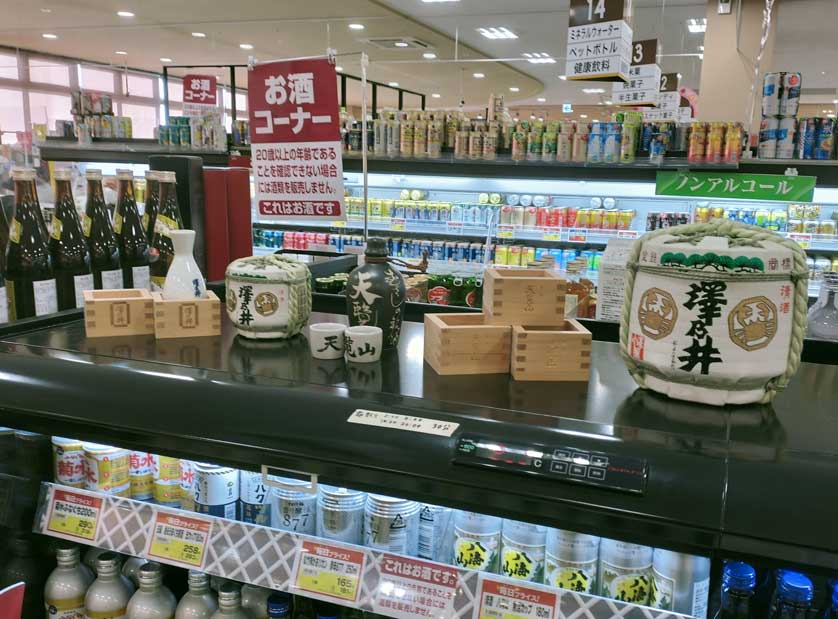
Masu boxes in the sake corner of a Japanese supermarket.
Masu boxes in the sake corner of a Japanese supermarket

Masu Today

The masu most popular today is the 1go box. Already in Edo times, they had become a serving box for sake. When served mokkiri style, the bar owner showed his generosity by serving the sake cup placed inside it overflowing.

This tradition has become deeply ingrained in Japanese culture - that is what you witness when being served a masu cup of sake in an izakaya bar.

Taking Care of the Masu

Masu are made of raw cedar or cypress wood, they, therefore, need some care to stay in good condition.

According to the experts at chibasake, wash the masu only with water, and don't use chemical detergents as they will destroy the scent of the wood. Do not leave the masu in the water for an extended period of time.

If you have to remove stains, rub the spots using baking soda or salt.

Never clean it in a dishwasher as that will dry the wood and make it vulnerable to moisture - which might result in mold.

After washing the box, wipe it with a cloth and let it air dry in a well-ventilated place. Make sure to always store the masu in a dry place away from direct sunlight.

Buy masu from GoodsFromJapan.

Buy Masu from GoodsFromJapan

Drinking sake from a masu is a very unique experience. Still, you can try it in your home or with friends wherever you live. GoodsFromJapan works with traditional masu manufacturer Maruni in Gifu Prefecture, producing high-quality masu not only of the 1go sake drinking variety but also masu of many different shapes and sizes for many purposes. All are made of precious fragrant Japanese cedar or cypress wood.

Please feel free to contact us if you are interested in more detailed information on the variety of Maruni masu boxes available beyond the 1go sake drinking box.

Buy masu for your home or business from GoodsFromJapan

Screen printing and branding on the masu with your company logo or Japanese characters are also possible. Please contact us for further details. See an example below.

Design your own masu sake cup.
Design your own masu sake cup

Japan SIM Cards From Mobal

Get a Japan SIM Card from Mobal

Japan Related

Daruma Dolls - History & Symbolism

Ema Votive Plaques

Hand Painted Candles

Ishigaki Sea Salt

Japanese Mortar & Pestle Suribachi & Surikogi

Jinbei & Samue

Saihoji Temple

Sayama Japanese Green Tea

Shichimi Togarashi Seven Spices

Yanai Goldfish Lanterns

Yatsuhiro & Tatami

Yuzukosho Spice of Kyushu

© GoodsFromJapan

Wednesday, April 13, 2022

最下位県の自慢-茨城 干し芋

最下位県の自慢-茨城、干し芋 

とあるTV番組で茨城が人気ランキング最下位に選ばれて久しい。そのマイナスイメージは今も払しょくできていない気がするのだが、そんなに悪い所じゃありませんよ、茨城。

関東平野の北に位置し、南東北と言われながらも、気候は温暖。晴れた日には富士山も眺望できる。茨城ー静岡間に高い山はほとんどないからである。大昔、富士山が噴火した時に火山灰もここまで運ばれてきたに違いない。茨城全域に積もりに積もった関東ローム層。これが茨城の土壌なのだけれど、ここで育つサツマイモが滅法美味しいのをご存じですか? 

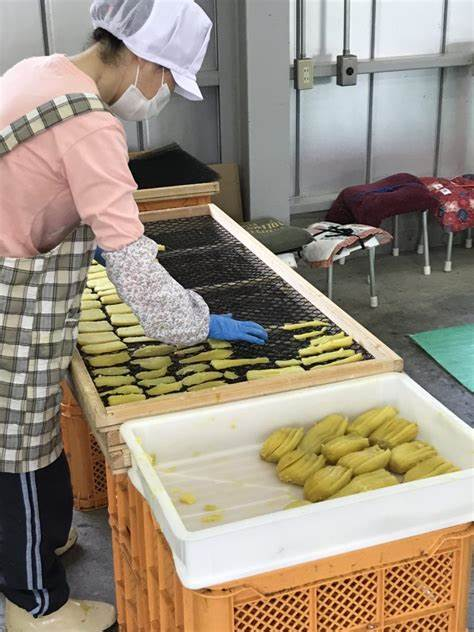
サツマイモは土が大事。適度に湿度を保ったサラサラの赤土が、甘くてねっとりとした品種を育ててくれます。そして、たくさん取れたサツマイモを農家さんが蒸干して作るのが「干し芋」です。これこそ、茨城の一押し特産物!

干し芋.
紅はるかは「紅イモよりはるかに良い」から来たネーミング

Buy Ibaraki Hoshi imo from GoodsFromJapan.
干し芋 Dried sweet potato

Making hoshi imo in a traditional process.
サツマイモ農家さんの直販

干し芋は生のサツマイモを蒸して干すことで水分が抜けて栄養素が凝縮。そのため生のサツマイモに比べて、タンパク質、食物繊維、カリウムなどの栄養価は倍増!加熱してあるから甘い。

また今流行りの糖質オフダイエットにもお薦め。GI値(食後の血糖値の上昇を示す指標)が、白米は88、食パンは95、でも干し芋は55なんだって。

最下位県の自慢-茨城 干し芋.
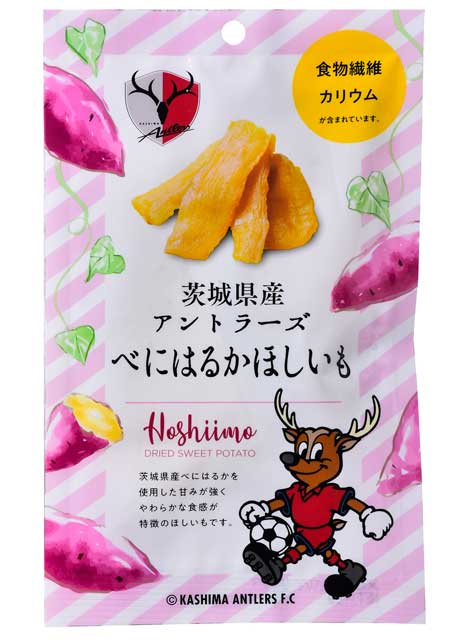
茨城のもう一つの自慢、「鹿島アントラーズ Kashima Antlers」とコラボした干し芋。


干し芋はドライフーズで日持ちがするので、海外配送もオーケーです。

ぜひ、海外のお友達に茨城のサツマイモのおいしさを伝えてあげてください。

彼らが知っているアフリカ産の自然薯みたいなサツマイモとは別物で、「え、これがサツマイモ?スイーツ?」とびっくりするんじゃないかな。

また、海外在留の日本人の方は、美味しいサツマイモが懐かしくて仕方がないはず。

茨城の干し芋、送ってあげて。最下位県だけど、お役に立ちます。

Buy Ibaraki Hoshi imo from GoodsFromJapan

© GoodsFromJapan.com

Monday, April 11, 2022

Dokudami Tea From Japan

Dokudami ドクダミ 蕺草

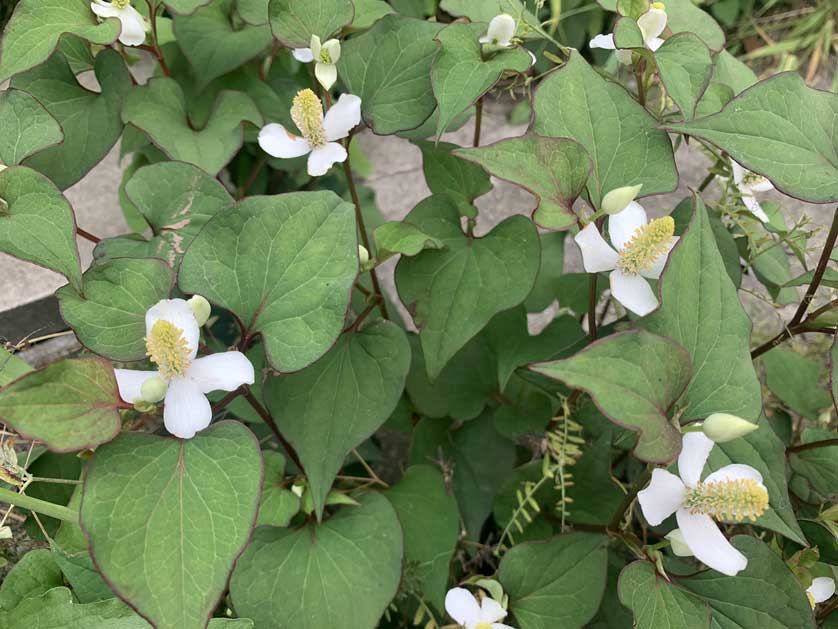
Dokudami seen in Japan in May 2022.

Dokudami (Fish Mint; Houttuynia cordata) flowers around May in Japan. The plant Dokudami, lit. "poison stop" is considered medicinal, acting as a mild laxative and diuretic as well as a general body cleanser.

Some elderly Japanese people still make a tea from its dried leaves, though its medicinal properties are more highly thought of now in the west rather than Japan.

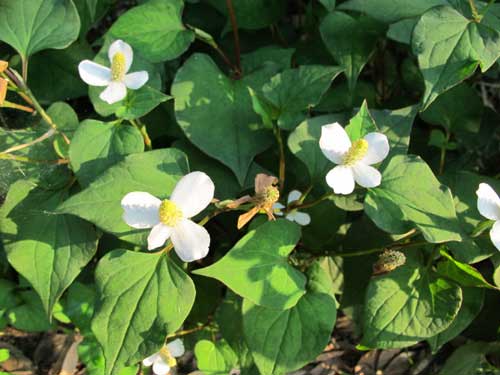
Fish Mint; Houttuynia cordata.
Fish Mint or Houttuynia cordata is a mild detox

Few people in Japan now eat dokudami leaves in salad and the plant is less widespread than it was 25 years ago, though it has adapted well to most environments in urban and suburban Japan.

Dokudami can be found throughout Japan, China and Korea.

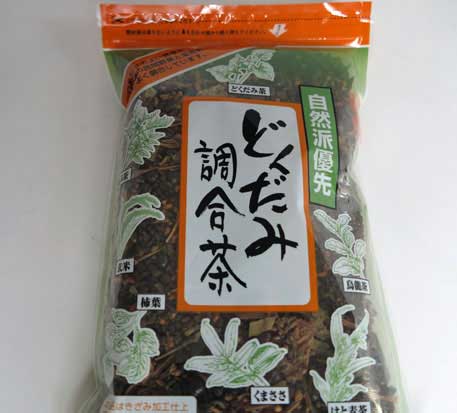
Purchase dokudami tea direct from GoodsFromJapan.

Containing no caffeine, dokudami tea is suitable for all ages and can be readily brewed and enjoyed just like ordinary tea at any time of the day.

Purchase dokudami tea direct from GoodsFromJapan

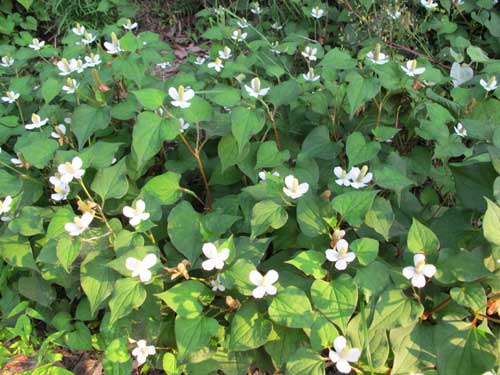
Dokudami Tea From Japan.
The dokudami plant flowers in early May in Japan

Related

Ema Votive Plaques

Furikake Tsukudani Rice Topping Kinshobai

Hoshigaki

Ishigaki Sea Salt

Japanese Mortar & Pestle Suribachi & Surikogi

Sayama Japanese Green Tea

Shichimi Togarashi Seven Spices

Yatsuhiro & Tatami

Yuzukosho Spice of Kyushu

© GoodsFromJapan