Showing posts with label Kitchen. Show all posts

Sunday, June 30, 2024

Japanese Mortar and Pestle Suribachi & Surikogi

Japanese Mortar and Pestle Suribachi and Surikogi すり鉢とすりこ木

Suribachi mortar with sansho wood surikogi pestle.
Suribachi mortar with sansho wood surikogi pestle

Some typical Japanese dishes need traditional Japanese kitchen tools to get them right or to make them at all. The suribachi / surikogi (Japanese mortar and pestle) combination is one such essential tool.

Just the other night, my wife and I prepared hourensou no goma-ae (spinach dressed in black sesame) and maguro no yamakake (Tuna sashimi topped with mashed Japanese Mountain Yam). Both are very typical Japanese appetizers or side dishes, both go very well with sake.

Further down this text, you can see images of our use of the suribachi and surikogi preparing said dishes. Just as one possible example of the many uses of the Japanese mortar and pestle.

Suribachi with its typical comb pattern.
Suribachi with its typical comb pattern

Suribachi History

The combination of mortar and pestle is one of the oldest kitchen tools in any culture, dating back to the stone age. Hard grain for example could be much more easily cooked or baked after being ground in a mortar. Coarse rock salt was ground for convenient use in the kitchen, even meat went through the mortar and pestle treatment to make it easier digestible.

Those mortars and pestles were typically made of stone, a tradition carried on up to today. Stone mortars and pestles are still frequently in use for grinding spices, the expensive ones made of Italian marble.

As so often, however, the tradition in Japan is a bit different. Mortars and pestles were certainly in use in ancient Japan but in Heian times (794 - 1185), ceramic mortars arrived from China.

Those were much easier to handle than stone mortars and the Japanese pottery kilns soon got in on the business, especially the Bizen kilns in what is now Okayama Prefecture.

It's said that the Bizen kiln folks invented the comb stroke patterns inside the Japanese mortar. Rather than leave the mortar's grinding surface flat or grainy, they drew a well thought-out pattern with a metal comb before sending the pottery into the oven, greatly enhancing the grinding capacities of the mortars.

Those patterns / their variations and improvements over time still set Japanese mortars apart from any other mortars today.

There was one big problem with those patterns ingrained into the mortars, though. Pestles made of stone would quickly destroy that preciously combed surface inside the mortars.

Sansho wood surikogi.
Sansho wood surikogi

The Surikogi

Thus, wooden pestles were introduced. The wood for those pestles had to be hard enough to do even the toughest grinding job, the wood had to be resistant to all the acids released in grinding vegetables, the wood needed a resistance against mold.

After what must have been many experiments, the old masters found out that the wood of the sansho tree, the Japanese Mountain Pepper tree, was the perfect wood for the job. Extremely resilient but at the same time giving off a slight fragrance even after long-term use. A welcome flavor to any dish on the table.

Grinding black sesame in a suribachi.
Grinding black sesame in a suribachi

Uses Past and Present

Common folks used the suribachi on a daily basis. Miso soup has been a staple of Japanese cuisine for hundreds of years and the boiled soy beans making up the miso (soy bean paste) used to be available on the markets only in the form of soft-boiled beans. Thus, every household had to have a large mortar and pestle to turn those boiled soy beans into the paste needed to make a good miso soup. Suribachi were also used for processing all that other food needing a good grind. The mortar and pestle at the house did the job the electrical food processor would take on in the 1960s.

Miso paste became available factory-made at the beginning of the 1900s, other ready-made foods followed post World War II.

In a diminished but more specified capacity, the suribachi stayed on in Japanese household kitchens. Tororo, mashed yama imo (Japanese Mountain Yam), essential as a topping for many udon noodle dishes but also frequently used on top of tuna sashimi, can only produced with a traditional Suribachi grinder. In Japanese, the ground yama imo is called tororo when referring to the soft mush as such, it's called yamakake upon being placed on top of food.

Sansho peels, the edible parts of the sansho (Japanese Mountain Pepper) fruits frequently used as a spice, need to be ground in a traditional mortar for maximum effect.

Traditional families never gave up on the use of their Suribachi, younger generations re-discovered the suribachi / surikogi combination as essential tools in modern gourmet cooking. The sansho wood surikogi still being the favorite today.

Preparing hourensou no goma-ae in a suribachi.
Preparing hourensou no goma-ae in a suribachi

Suribachi Sizes

Suribachi come in many different sizes, their use depending on the amount of spices / foods to be ground.

Suribachi sizes are typically measured by the diameter of their upper rim. The Chinese 寸 (sun) indicating an old Chinese inch (about 32 mm) used to be the standard measurement. Today, you often see suribachi sizes advertised in号 (go). 号 (go) however simply means "number" like in suribachi 6号, meaning Number 6 size which would usually be about 19 cm.

Different Japanese manufacturers however slightly vary in their use of those numbers, more or less based on the measurements in 寸 (sun).
Fortunately, many if not most manufacturers today also use the metric system.

In any case, the difference from one size to the next larger one is usually about 3 cm.

For grinding spices, a rather small suribachi is best, about 10 cm in rim width. For two person-dishes, a size of 18 or 21 cm may the most convenient, larger families / parties of course needing larger Suribachi.

Grinding Japanese Mountain Yam in a Suribachi.
Grinding Japanese Mountain Yam in a Suribachi

Surikogi Sizes

Generally, the surikogi should be a bit longer than the rim diameter of the Suribachi. About one third longer, some sources say. But that's not a strict rule. The mortal and pestle should simply fit comfortably when working with the tools.

Refining the ground yam with a surikogi.
Refining the ground yam with a surikogi

Where to Find

Well-stocked Japanese department stores usually offer a number of suribachi / surikogi combinations. It's of course more of an adventure to travel to the traditional kilns deep in the countryside of western Japan and to an old-fashioned lumber workshop nearby with a master cutting the surikogi by hand.

You can also order your suribachi and surikogi right from your home from Goods From Japan.

Buy Japanese Kitchen Utensils

Goods from Japan offers a variety of Japanese foods and kitchen utensils.

Suribachi & Surikogi Set

Buy ground sansho pepper from S&B

Buy sansho rinds from Mascot

Purchase a range of Japanese foodstuffs and drinks from GoodsFromJapan.

A dish of tuna topped with ground Japanese yam, spinach dressed in black sesame and a cup of sake.
A dish of tuna topped with ground Japanese yam, spinach dressed in black sesame and a cup of sake

Japan SIM Cards From Mobal

Get a Japan SIM Card from Mobal

Related

Aizuwakamatsu Hand Painted Candles

Calpis

Cedar Leaf Incense

Daruma Dolls - History & Symbolism

Ema Votive Plaques

Furikake Tsukudani Rice Topping Kinshobai

Happi Coats

Ishigaki Sea Salt

Japanese Chocolates

Kaki no Tane

Kombu Japanese Kelp

Masu Wooden Sake Boxes

Ramune

Sayama Green Tea

Shichimi Togarashi

Yanai Goldfish Lanterns

Yatsuhiro & Tatami

Yuzu Kosho Spice from Kyushu

by Johannes Schonherr

© GoodsFromJapan.com
Monday, June 20, 2022

Japanese Crafts In Kyoto

Japanese Craft Stores in Kyoto 京都

Japanese crafts are often regarded as formal and for special occasions only. But this is not true. Just as many handicrafts are simple, inexpensive, and created for everyday life. And even simple, daily-life things are skillfully and patiently created by Kyoto craftsmen, who pride themselves on making beautiful things that last for a long, long time. Here are some arts and crafts from Kyoto's most famous stores.

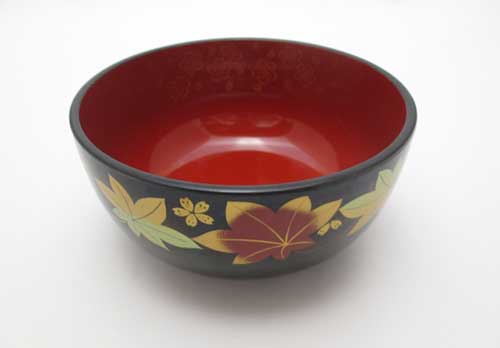
Lacquerware Soup Bowls.

Lacquerware Soup Bowls

New black or dark red lacquer tableware is expensive. But Kyoto's Uruwashi-ya offers you a great solution: used lacquerware. Used or antique lacquerware is very reasonable. However, you should inquire about how it will hold up in dry climates because lacquer is ideally suited to high humidity environments. On the south side of Marutamachi, east of Fuyacho. Open 11 am - 6 pm, closed on Tuesdays. Tel: 075 212 0043.

Brushes & Brooms

Need a handmade brush or broom to clean the house or your garden? Then you've come to the right place. Naito Shoten, an early 19th-century handmade brush and broom shop, has everything you could possibly hope for. Everything from large to small, including brushes for long glasses, pot cleaners, and mats (from ¥400). On the north side of Sanjo, just west of the Kamogawa River. Open daily 9.30 am -7 pm. Tel: 075 221 3018.

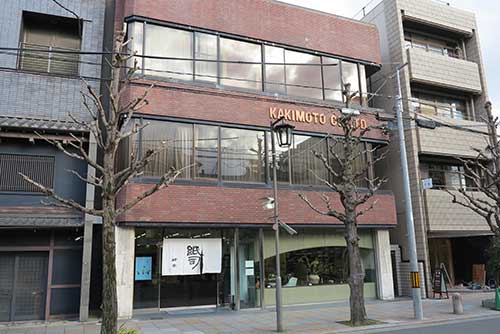
Kakimoto, Kyoto.

Japanese Washi Paper Table Decorations

Warm to the touch and naturally colored, Japanese handmade paper or washi can easily be adapted to serve as a table cloth, coasters, and for all kinds of other table decorations. And best of all: washi is so strong that it can be used over and over. For a great selection of washi, go to Kamijikakimoto, on the east side of Teramachi, about 100 meters north of Nijo. Tel: 075 211 3481. (www.kamiji-kakimoto.jp)

Japanese Crafts In Kyoto.

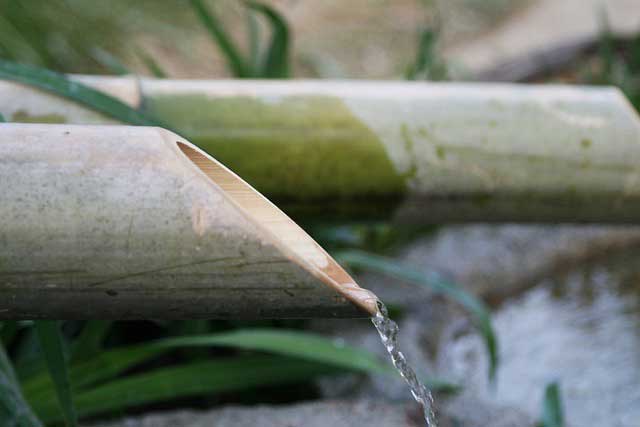
Japanese Bamboo Takehei 竹平

In operation for over 100 years, and now in its 4th generation, Takehei Shoten is known by many as Japan's bamboo specialist.

Within their vast warehouse, they stock about 100 different kinds of specialty bamboo, ranging from the standard to the very exotic. The age-old expertise that Takehei has built up over 100 years is sought out by bamboo artisans, architects, traditional musicians, designers, and antique dealers from all over the country.

Takehei also exports bamboo materials overseas (mainly to antique dealers, interior decorators, landscaping specialists, and architects). As the fastest growing plant in the world (1.2 meters in 12 hours), bamboo is a remarkable material that remains the preference for many of Japan's traditional designs and utensils.

Their curved window frames (for a Japanese home or tea ceremony room) are just one of Takehei's many unique products. (There are only a handful of artisans left in Japan that can make frames of this high quality and intricacy.)

Takehei is located on the west side of Omiya, north of Gojo. Open from 9 am to 6 pm, except on Sundays and public holidays.

Takehei
403 Omiya-gojo, Shimogyo-ku
Kyoto 600-8377
Tel: 075 841 3803

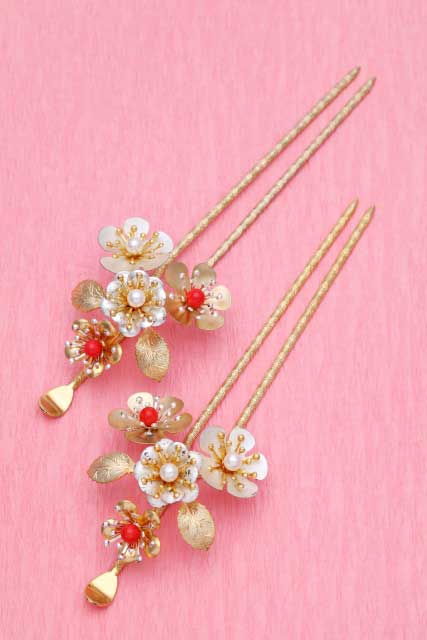
Kanzashi Hair Ornaments 幾岡屋.

Kanzashi Hair Ornaments 幾岡屋

Ikuokaya has been doing business in the world-famous Gion district for more than 150 years. They specialize in kanzashi hair ornaments, fans, bags, and accessories.

Stepping into the shop, one enters the world of accessories that add to the exotic charm of the geiko: splendid, colorful kanzashi (hairpins), exquisitely designed handkerchiefs, little richly patterned silk bags with drawstrings, sandalwood combs. Many of the patterns and designs express the seasonal elements for which Japan is so well known: flowers, bushes, and important symbols like the moon, pine trees, cranes, and rabbits.

Ikuokaya is located on the south side of Shijo, east of Hanamikoji. Open 11 am-7 pm (closed Thursdays). Tel: 075 561 8087. Gion-Shijo Station is the nearest station.

Ikuokaya
577-2 Gionmachi Minamigawa
Higashiyama-ku
Kyoto-shi
605-0074

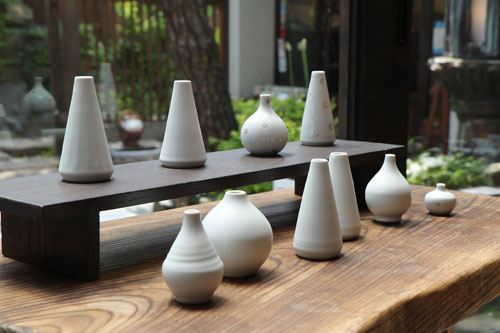
Asahi-do Ceramics, Kiyomizu, Kyoto.

Asahi-do Ceramics 朝日堂

Asahido is one of the most famous of Kyoto's Kiyomizu yaki pottery stores. It has been a landmark for generations of visitors to Kiyomizu Temple since its establishment in 1870.

From everyday tableware to one-of-a-kind tea ceremony bowls by well-known ceramic artists, Asahido has something for every taste and budget.

The relaxing atmosphere of the traditional Japanese interior offers a welcome break from sightseeing, and the colorful items are displayed under warm, soft lighting. It almost seems more like a ceramics museum than a store. There is also a tea room and gallery space, which exhibits selected ceramic art.

Asahido's exquisite merchandise has won it an international clientele, and it has also been privileged to supply items to the Japanese Imperial Household. However, the wide range of items is sure to provide anyone with many excellent and affordable souvenir ideas. Asahido goods can also be bought at other places around Kyoto: in the Kyoto Tokyu Hotel, the Kyoto ANA Hotel, and Arashiyama Syoryuen in Arashiyama.

Also try Asahido Toan, located just a few shops down the street from the main Asahido store for a range of Japanese crafts.

Asahido Toan offers a range of authentic Japanese traditional crafts, including woodblock prints, bamboo items, incense, as well as Kiyomizu yaki pottery. Open daily from 9 am to 6 pm. Packing and delivery service available. Located on Kiyomizuzaka, in front of Kiyomizu Temple. All major credit cards are accepted.

Asahido
1-280, Kiyomizu
Higashiyama-ku
Kyoto 605-0862
Tel: 075 531 2181

Access: Take the Kyoto city bus #206 from Kyoto Station to Gojozaka bus stop, then a 10-minute walk.

Kita no Tenmangu.

Kyoto Fleamarkets

Japan is well known for its temple and shrine flea markets, and Kyoto boasts two that draw crowds from around the country: one at Toji Temple, in south Kyoto, and the other Kita no Tenmangu, in northern Kyoto. The market at Toji is called Kobo-san by locals, which refers to the monk who founded the Kobo sect of Buddhism. It is held on the 21st of every month, on the grounds of Toji. Shoppers in the know arrive very early and bargain hard. Four days later, on the 25th, "Tenjin-san" is held at Kita no Tenmangu Shrine.

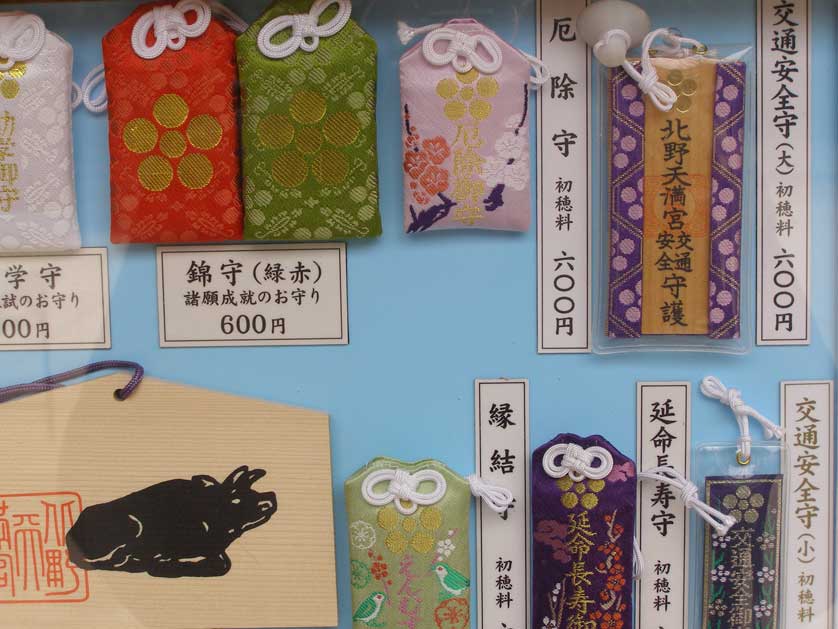
Though they are both pilgrimages and take place on religious grounds, the overall feel at both is that of a lively outdoor market. At both, antiques, clothing, statues, fabric, kimono, and fresh vegetables are for sale at booths set up early in the morning by vendors who often come long distances to sell their wares. Ceramics such as tea bowls and pots are also widely available. Pictured above left are good luck charms--mainly for driving and luck on university exams--that are sold at Kita no Tenmangu.

Tenjin-san is west of Nishijin, Kyoto's traditional weaving district also has geisha dance performances on occasion.

The markets date back many centuries, and in addition to food and clothes, and antiques they also feature games for children. There is, for example, the goldfish scoop: with a flimsy net children attempt to scoop up goldfish, which if successful they can take home. There are other cards and shooting games that will be familiar to anyone who has been to an American carnival. The vendors at the games are usually young and in many cases borderline yakuza. Count your change.

Crowds are worst when the weather is good, after 10 am, and at year's end. The smart shoppers will arrive by 6 am to pick through the best goods.

Directions

Toji Temple

Take the Kintetsu Railway local train one stop from Kyoto Station to Toji Station. Walk two blocks west. (Tel: 075 691 3325)

Kita no Tenmangu Shrine

Take the 59 bus from Shijo or Sanjo in downtown Kyoto.

OR

Take the Keifuku Railways train to Kita no Hakubaicho, and walk two blocks along Imadegawa Dori. (Tel: 075 461 0005)

Chionji Temple

Chionji flea market is on a much smaller scale than Toji and Kita no Tenmangu, specializing in hand-made crafts. Chionji market is held on the 15th of each month, and it is often easy to get a space on the morning of the market. The market is on the grounds of Chionji Temple on the northeast corner of Hyakumanben near Kyoto University.

Buses #17, #201, #206. (Tel: 075 781 9171/075 961 0005 to register)

Washi paper art.

Kurotani Washi 黒谷和紙

Kurotani is well-known for its wagami ('rice' paper) production. Appreciation for this lifetime-absorbing craft has led to the paper art of Kurotani being designated an Important Cultural Property of Kyoto.

The history of Kurotani village traces back eight centuries to a warrior of the Taira Clan who, having failed at battle, saw it as his duty to leave an art form for following generations. A communal determination to stay with the traditional techniques employed from the start have led to paper of consistent quality, and to world-wide fame.

Wagami, or washi, is made from the Paper Mulberry tree of the Mulberry Bush family, characterized by its durable, fibrous quality. The delicate beauty of each sheet is apparent, and kept in good condition this kind of paper lasts literally a millenium or more - a stunning technical achievement for the craftspeople of the Heian era.

In the centre of Kurotani the Wagami Exhibition Hall provides paper information (mainly in Japanese). It also offers also a tour of neighborhood homes and workshops, where the paper making process can be viewed. Visitors have the opportunity to produce paper themselves and to purchase products made from washi such as wallets, name card holders, greetings cards, notebooks and zabuton cushions.

Kurotani Washi Kaikan
3 Higashidani, Kurotani-cho
Ayabe City
Kyoto 623-0108
Tel: 0773 44 0213
www: kurotaniwashi.jp

Monday-Friday 9 am-4.30 pm closed weekends and national holidays.

Take the JR Sanin Main Line from Kyoto Station to Ayabe Station (70 minutes by limited express) and exit the station from the south exit. The Kurotani Washi Kaikan is a two minute walk from the Kurotani Washi Kaikan Mae stop on the Aya Bus Kurotani Line.

Kiyomizu Pottery.

Kiyomizu Pottery Complex 清水焼

Elegant shape, graceful design, and pure, intense colors - these are the qualities that have drawn generation after generation to Kyoto's Kiyomizu yaki ceramic ware.

Born in the area around Kiyomizu-dera Temple - which sits nestled in the Higashiyama hills on the eastern side of Kyoto, Kiyomizu yaki has had a marked impact on the culture of Kyoto and Japan, and is admired and collected around the world.

Kiyomizu yaki traces its origins to the 5th century, and has evolved and changed over many centuries. Colors were introduced in the Muromachi Period (1338-1573), and were followed some years later by over glazing techniques to give an added luster to items after firing. In the late Edo Period, a momentous change took place: the potters of Kiyomizu shifted from earthenware to Chinese-style porcelain.

Modern Kiyomizu yaki is a product of all these innovations, and is characterized by penetrating blue, yellow, and green colors and by intricate and refined designs. It is also famous for its unmatched durability.

Only a few traditional wood-fired noborigama kilns remain around Kiyomizu-dera Temple. Indeed, the area is no longer the center of Kiyomizu yaki production, although there are still many fine shops in the winding streets that lead to the temple.

Some 20 years ago, most of the potters and kilns moved into Yamashina on the other side of the Higashiyama hills on the Tozai subway line. The new Kiyomizu Pottery Complex not only gave the potters spacious new workshops, but also allowed the introduction of more efficient gas-fired furnaces to replace the traditional wood burning kilns.

Today, the Kiyomizu Pottery Complex houses twenty ceramic artists, nineteen handicraft pottery companies, and a range of other ceramics related companies. Thanks to the centralized supply of electricity and natural gas for firing the kilns, the artisans are free to concentrate on the artistic aspects of their work, and can offer a stable supply of high-quality items.

The works produced at the Kiyomizu Pottery Complex are in the vanguard of modern Japanese ceramics. Altogether, the artisans turn out yearly some 5-6 billion yen worth of tea ceremony bowls, vases, tea cups, and many other items, and hundreds of thousands of tourists visit the complex every year.

The 35 years since the complex was opened have seen a wave of renewed interest in traditional arts and crafts in Japan, and especially in Kiyomizu yaki. The Kiyomizu Pottery Complex has played a major role in this revival, and serves as a reminder in our technology-driven world of the beauty that can only come from hand-crafted objects.

Kyo-yaki (Kyoto ceramics) and Kiyomizu-yaki have been formally designated as a traditional handicraft by the Ministry of International Trade and Industry.

Kiyomizu Pottery Complex (京焼・清水焼工芸館)
Kawatakiyo Mizuyakidanchi-cho
Yamashina-ku
Kyoto 607-8322
Tel: 075 581 6188

Access: Keihan Bus #29 or #29A from Yamashina Station (20 minutes). Alternatively take a Keihan Bus #88B from Shijo Kawaramachi Station (20 minutes) or from the Kiyomizu Gojo bus stop (10 minutes).

Goods From Japan delivered to your home or business