Showing posts with label Clothing. Show all posts

Sunday, February 01, 2026

Family Mart Line Socks

Family Mart Line Socks ファミリーマート ソックス

A rural Family Mart store.

Convenience stores are ubiquitous in Japan. In large cities you won't have to walk for more than a minute or two to reach the nearest konbini as they are called in Japan, the countryside is also dotted with them.

Convenience stores are generally open 24/7, in smaller towns they may be the only option to buy food, beer or cigarettes late at night. There, they are islands of light and warmth in a cold winter night.

The food on sale ranges from heated nikuman pork buns to bento boxes to onigiri rice balls to sandwiches to a large variety of snacks. Cheese tara are always on offer. The coffee is freshly brewed on site.

You can pay your bills at the counter. Yes, those electricity bills, etc. arriving at your home mailbox. You can ship packages from convenience stores, you can buy concert tickets there.

The ATMs at the convenience stores are usually the only ones processing foreign credit cards late at night, thus providing cash to foreign visitors at all times. Cash often needed at those cozy izakaya bars where cards are rarely accepted.

In short, Japanese convenience stores offer crucial lifelines at all times, even if all you need is a free, clean toilet or a free WiFi connection.

There are three major convenience store chains in Japan: Seven Eleven, Family Mart and Lawson. They all offer the same services, some details differ.

Family Mart

The Family Mart chain for example is famous for their roasted chicken, known as Famichiki.

Family Mart is the second largest of the three chains (Seven Eleven is the largest) and it has been an innovator in the industry since its inception.

The first Family Mart opened in 1973 near Iriso Station in Sayama City, just north of Tokyo. In the heart of the Sayama Tea area.

Today, Family Mart operates about 16,4000 stores in Japan and another 8,000 or so in foreign markets like Taiwan, Indonesia, Malaysia and the Philippines, there are close to 3000 stores in mainland China alone.

Socks at a Family Mart store.

Family Mart Apparel

What of the above makes Family Mart a fashion hub, though, you may rightly ask. Maybe a place to buy some fresh socks after a long hike in summer but not much more?

For decades, it was exactly like that. But then, Family Mart shifted gears. Fashion was to become one of their trademarks.

Basic fashion, of course, things residents and visitors alike needed quickly and on a daily basis. Like, yes, socks.

In 2021, Family Mart teamed up with Tokyo designer Hiromichi Ochiai and tasked him with a fashion line fitting the Family Mart image.

Family Mart Line socks

Family Mart Line Socks

Ochiai started out with the by now iconic Family Mart Line Socks. Thick unisex white socks made of wool and polyester, antibacterial and deodorizing, featuring towards their calf ends the green and blue lines that mark every Family Mart store.

People familiar with Family Mart (virtually everybody in Japan) would immediately recognize the source of the the socks. No logo was needed to achieve this effect.

Covid

The socks hit the shelves at the height of the Covid pandemic. It was a time when shopping trips went down to the barest minimum. People tried to avoid crowded trains, crowded department stores and so on and reduced their shopping to small stores in their immediate environs as much as possible.

Getting on a train to buy socks was out of the question. Many went to the convenience stores looking for reliable daily-use products beyond food and stationery.

That Family Mart was suddenly offering cheap, warm quality socks with a simple but easily recognizable design was greatly helpful at the time. People snapped them up and started to write about them on their blogs and in their discussion forums, creating quite a hype.

Convenience Wear

Meanwhile, Hiromichi Ochiai had bigger plans. In collaboration with Family Mart, he started a new fashion brand named Convenience Wear.

He designed towels, underwear, boxer shorts, T-shirts, sweat shirts, tank tops, hoodies, cardigans and even light jackets. All in basic black or white with a few sparse color lines thrown in. All quality products. Simple, durable, convenient.

If anyone wanted to, it would be possible to almost completely dress in Family Mart / Ochiai's Convenience Wear items.

Simpsons themed Family Mart Line socks.

Seasonal & Regional Products

Family Mart and Ochiai quickly understood that with the big fan base that had built up on the original Line Socks, seasonal and regional variations were to become much sought-after products.

That's exactly the way they went. Offering Line Socks with the colors of the lines geared towards the season, offering special editions for, say, the Fuji Rock Festival, as well as special editions for different regions. They also went into partnerships with the Simpsons and other major pop cultural players.

All of that of course being a tried and tested concept in Japan, best known in the food and snack sector.

It worked out with the Line Socks just as well, with fans searching out all the different varieties.

Foreign Visitors

Once the Covid pandemic was over, millions of foreign visitors entered Japan again. Soon more than ever before, lured by a cheap Yen and government policies focusing on aggressive tourist promotion.

The number of foreign visitors went through the roof. They are still getting higher year by year, all records are constantly broken.

Wherever those visitors are coming from, whatever their way of traveling is (tour group or individual?), they will all end up visiting a number of convenience stores during their stay in Japan.

Stores, they will tell stories about to their friends back home. Those always open, always reliable stores found to be everywhere.

Many of those visitors decided to buy their travel souvenirs right there at the convenience store rather than searching for something meaningful at a Buddhist temple or Shinto shrine.

The Family Mart Line Socks quickly caught their eyes. They were useful, they were easy to pack into the suitcase even in big amounts, they were profoundly Japanese. Insignias of the modern Japan. Easy and convenient gifts or memories.

That foreign visitors picked up the Family Mart Line Socks in such a great number led eventually major news outlets like the BBC in Britain and CNN in America to investigate the matter … publishing major online texts that further enhanced sales among visitors.

Whatever their wording, those news outlets all agreed on one basic thing: that, yes, the Family Mart Line Socks made great souvenirs / gift. Easy to purchase, convenient, useful, stylish… and absolutely Japanese.

Buy Iconic Convenience Socks from Japan

Goods from Japan offers a variety of Japanese clothing including tabi socks and tabi shoes.

Family Mart Line Socks in White & Black

Japanese gunsoku socks

Charcoal tabi socks

Purchase a range of Japanese footwear from GoodsFromJapan.

Japan SIM Cards From Mobal

Get a Japan SIM Card from Mobal

Related

Aizuwakamatsu Hand Painted Candles

Calpis

Cedar Leaf Incense

Ema Votive Plaques

Happi Coats

Ishigaki Sea Salt

Kaki no Tane

Masu Wooden Sake Boxes

Ramune

Sayama Green Tea

Shichimi Togarashi

Yanai Goldfish Lanterns

Yatsuhiro & Tatami

Yuzu Kosho Spice from Kyushu

by Johannes Schonherr

© GoodsFromJapan.com

Thursday, August 11, 2022

Jinbei & Samue From Japan

Japanese Summer Dresses: Jinbei and Samue 甚平と作務衣

Jinbei are traditional, Japanese summer wear.
Jinbei are traditional, Japanese summer wear

In Japan, beating the summer heat has been a major concern for centuries. From summer retreats in the mountains for the rich to traditional architecture that puts much emphasis on the most thorough ventilation to the creation of refreshing summer drinks - finding ways to alleviate the heat has always been on people's minds. So, it's certainly no surprise that the fashion designers of yore did their best to contribute. One such invention was the jinbei.

A jinbei worn in the Nagano countryside.
A jinbei worn in the Nagano countryside

Jinbei 甚平

With its upper part loosely based on the haori, a traditional jacket worn by men over their kimono, the jinbei of today is a casual combination of short-sleeved light jacket and somewhat Western-style knee-length pants made of cotton or hemp.

The jinbei jacket is held in place by two sets of cords: the right side of the jacket is worn inside and fit into position by the set of cords to the left. The left side is worn outside and fixed by the cords to the right. It's the same principle that also the yukata, the light summer kimono employs. Just that in the case of the jinbei jacket, no obi belt is necessary - the cords do the trick.

The jinbei jacket typically has a pocket on the left side, jinbei pants may or may not have pockets.

Jinbei sets come with jackets and pants in the same color, usually solid indigo, blue, brown,  or black with a muted or no pattern.

The seams connecting the sleeves to the jacket as well as the side seams of the jacket leave space for ventilation, assuring the airy quality of the jacket.

Relaxing in a jinbei in Japan.
Relaxing in a jinbei in Japan

History

The history of the jinbei is up for debate. Though its roots in the haori seem to be quite clear, some fashion historians claim that the design has been based specifically on the jinbaori, a very basic haori worn by samurai over their armor in order to display their kamon, the symbol of their allegiance.

Jinbei jackets more in line with today's style became a fashion in Osaka during the Taisho Period (1912 - 1926). Those were however knee-length and didn't come with trousers.

The current design - a short jacket and short pants - is said to date back to 1965.

Gaps between the jinbei jacket and its sleeves provide good ventilation.
Gaps between the jinbei jacket and its sleeves provide good ventilation

Wearing Jinbei

Jinbei are traditionally men's clothing though jinbei for small children are also popular. Women seem to prefer the yukata over the jinbei when it comes to light summer dress.

Jinbei are considered to be very casual attire. They are typically worn around the house, in the garden or for short walks in the neighborhood, like say, to the convenience store.

While very few middle-aged men can be seen wearing jinbei in public, younger men attending summer festivals often see the jinbei as a comfortable alternative to the yukata. At summer festivals and firework displays you often see groups of young people with the girls in a yukata and the guys in a jinbei.

Some seniors on the other hand tend to show no hesitation in walking in public in a jinbei at all - they might take the train right to Ginza in a jinbei. Some may consider that odd but in general, the reaction is rather, "that's really cool".

Samue are traditional working dresses for monks and farmers.
Samue are traditional working dresses for monks and farmers

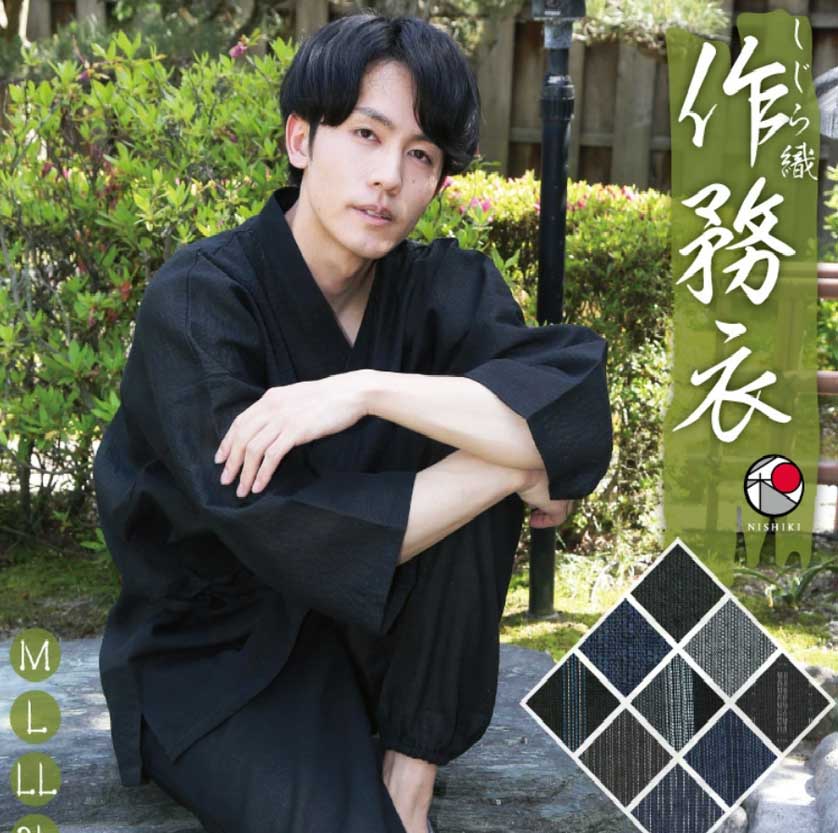
Samue 作務衣

The samue comes with long pants but looks otherwise very similar to the jinbei. It has a totally different background, however. While the jinbei is an urban leisure dress, the samue is the traditional working dress for Buddhist monks performing gardening, farming, and other duties maintaining Zen monasteries. This type of work is called samu, hence the name samue for the dress.

Because of its practicality, the samue has also become popular with farmers and gardeners - from there it spread to the city streets as a fashion item. Light, well-ventilated samue are perfect summer fashion.

Since the samue has its roots and is still employed as a work dress, however, there are versions for the other seasons as well. Monks and farmers do need to go out working in the winter, too. So, there are heavy-duty samue that keep you warm even in freezing temperatures.

Purchase samue from GoodsFromJapan.
Purchase samue from GoodsFromJapan

Purchase Jinbei and Samue & A Range of Other Clothing From Japan

If you want to buy a light summer samue, you will find it at Japanese department stores right next to the jinbei line.

For a winter samue, you are best visiting a work clothing store like Workman.

Or simply order jinbei and samue from GoodsFromJapan.

Purchase a range of Japanese clothing from GoodsFromJapan.

Japan SIM Cards From Mobal

Get a Japan SIM Card from Mobal

Japan Related

Calpis

Daruma Dolls - History & Symbolism

Ema Votive Plaques

Family Mart Conveniece Wear

Happi Coats

Hand Painted Candles

Ishigaki Sea Salt

Masu Wooden Sake Boxes

Ramune

Sayama Green Tea

Shichimi Togarashi

Yanai Goldfish Lanterns

Yatsuhiro & Tatami

Yuzu Kosho Spice from Kyushu

by Johannes Schonherr

© GoodsFromJapan.com

Monday, January 20, 2014

Beams T-shirts from Japan

Beams T-shirts from Japan

Beams T-shirts from Japan

Few Japanese T-shirt makers come out with as wide a line-up of cool T-shirts as BEAMS - the now-international Japanese clothing brand that started off in Tokyo's stylish Harajuku youth fashion district.

Beams produces the full range of fashion clothing for men and women, but it is the Beams T-shirts in particular that make a statement - and for which we at GoodsFromJapan get regular inquiries.

Beams' imaginative T-shirts combine a cool message with a very cool look - or should that be "looks." The range is huge, and whether its cutsey, streety, plain or over-the-top, you'll find a Beams T-shirt right for you or that someone special.

The number of street and skateboard and other artists and designers represented in the Beams T-shirt line-up is astounding: Shuntaro Takeuchi,  Palm Graphics, Wolves Kill Sheep, NuGgets, JT & Co., NexusVII, Welcome to the Suck, Aloye, Comic Band Orchestra, Militant Pacifist, Loser Machine, Scumco & Suns, The Quiet Life, Koichiro Takagi, Stefan Marx, Raw and many more.

To check out some of Beams way cool T-shirts, go to the Beams Japan website and  paste "Tシャツ" into the search box.

Beams doesn't ship overseas, so GoodsFromJapan provides a service that is reasonably priced (1,200 yen + 10% of cost of the goods), efficient (payable by PayPal, and using EMS postal service, trackable online, fully insured, and with you in about 5 days) and reliable (thousands of happy customers) to get Beams T-shirts to you, wherever you are in the world.

Contact us when you find that must-have Beams T-shirt from Japan.

© GoodsFromJapan.com
Monday, August 27, 2012

Buying Original J-League Soccer Shirts

Buying Original J-League Soccer Shirts

If you are a fan of J-League soccer and wish to purchase an original J-League jersey from an online shop in Japan, we can help.

We offer a Japan shopping service to allow us to purchase any item online in Japan.

Nagoya Grampus jersey

Just tell us the url of the product you require, the size and color and we will order it for you to ship to wherever you are in the world using the Japan Post Office's efficient and speedy EMS service.

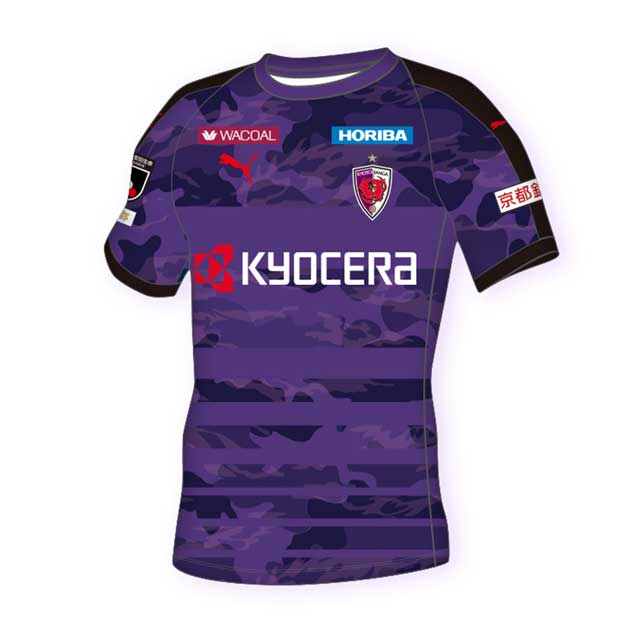
So whether you are looking for Nagoya Grampus jerseys, Kawasaki Frontale or Cerezo Osaka (Shinji Kagawa's old team), contact us now.

Kyoto Sanga
Kyoto Sanga

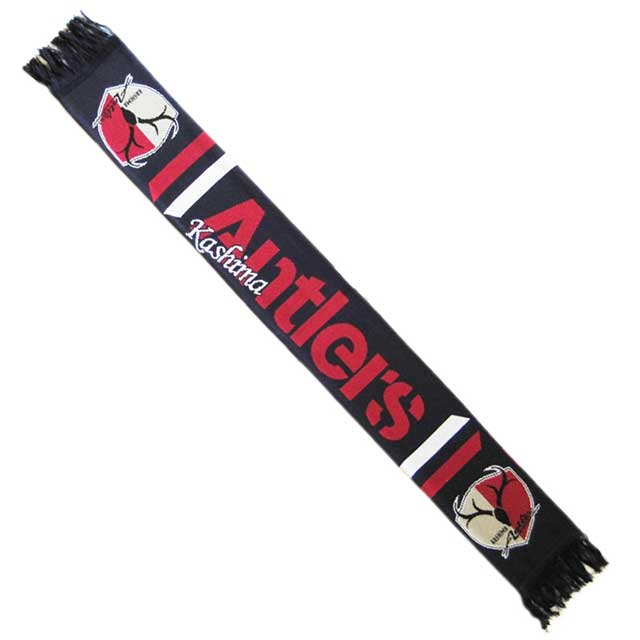
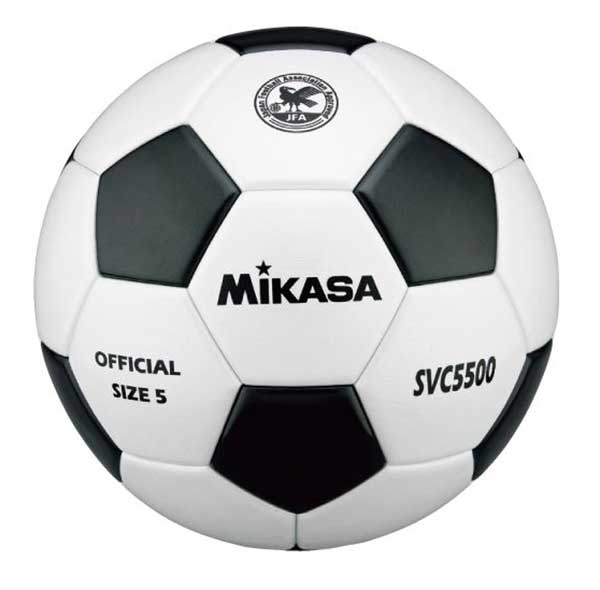
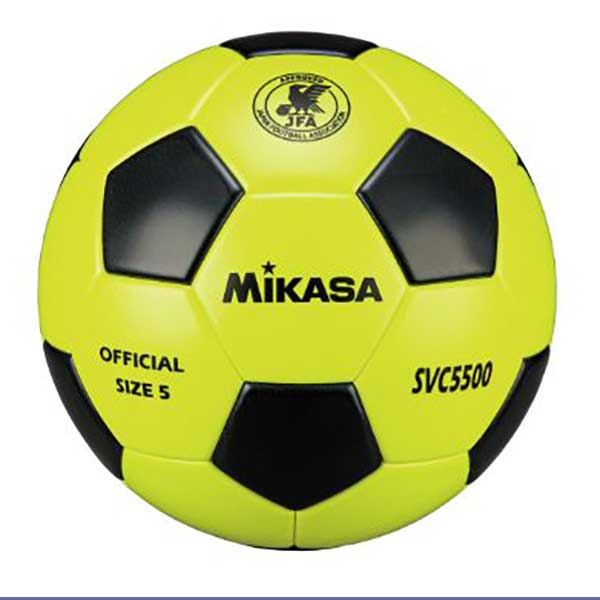
As well as shirts GoodsFromJapan also stocks a range of J.League soccer scarves, soccer balls, caps and other accessories.

Antlers Scarf.
Antlers Scarf

Mikasa Soccer Ball.
Mikasa Soccer Ball

Mikasa Soccer Ball.
Mikasa Soccer Ball

© GoodsFromJapan.com

Monday, November 10, 2008

Japanese Hanten Jackets

Japanese Hanten Jackets

Hanten are traditional Japanese workmen's padded cotton coats or jackets. Hanten are ideal for working outside in cold weather and easily slip over your indoor clothes.

Japanese Hanten Jackets

Hanten are excellent, warm outdoor coats for picnics, sports events or the garden. The short sleeves mean your arms are free to move.

Japanese Hanten Jackets

Hanten

© GoodsFromJapan.com

Wednesday, November 01, 2006

Tabi

Tabi たび

Japanese tabi socks make for excellent indoor and outdoor footwear when worn with sandals.

Tabi Socks For Men & Women

Tabi Socks For Men & Women.

The split-toe design is supposed to promote health as it improves the circulation of the blood in the feet.

The boot-like design also gives a firm support to the ankles. tabi are sewn together from two pieces of cloth cut to size. They have a split at the back so the foot can be eased in and metal fasteners to close them.

Tabi are perfect footwear when worn in combination with Japanese sandals - zori.

Buy tabi made in Japan

© GoodsFromJapan.com

Tuesday, October 10, 2006

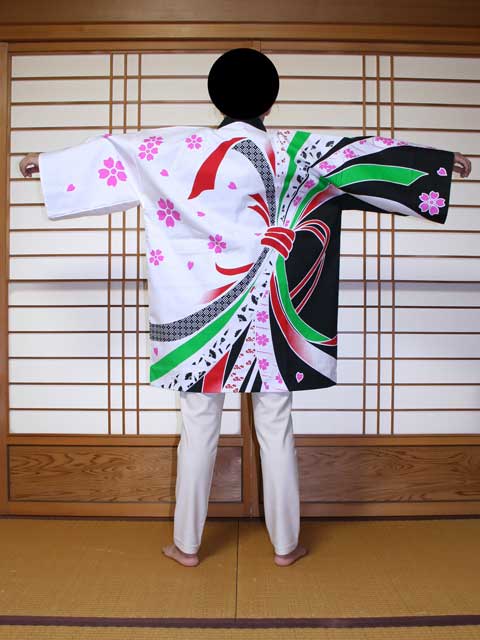
Happi Festival Coats

Kyoto Happi Festival Coats

Festival Happi Coats
法被

Handmade happi festival coats from the Kyoto studio of Komori available online at GoodsFromJapan.com.

Happi coats evoke a cool fall day, drinking sake and beer, chewing on squid snacks—and carrying a two-ton mikoshi float around the shrine and neighborhood screaming "Wa-shoi! Wa-shoi!"

100% cotton.

It can be worn as a robe or used as a wall description.

Happi Coats.

Happi Festival Coats.
Happi Festival Coats

How to order a custom happi coat from Japan

© GoodsFromJapan.com

Saturday, September 23, 2006

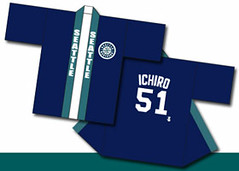
Ichiro Happi Coats From Japan

Ichiro Happi Coats 

ichiro Happi Coat
Ichiro Happi

Now retired he was once the best lead-off hitter in baseball. The magician of swat: Ichiro Suzuki. The pint-sized slugger from Nagoya. A great coat.

For more baseball happi coats.

Comfortable and stylish.

For wholesale orders or other quality goods from Japan click here: GoodsFromJapan.

How to order a custom happi coat from Japan

© GoodsFromJapan.com